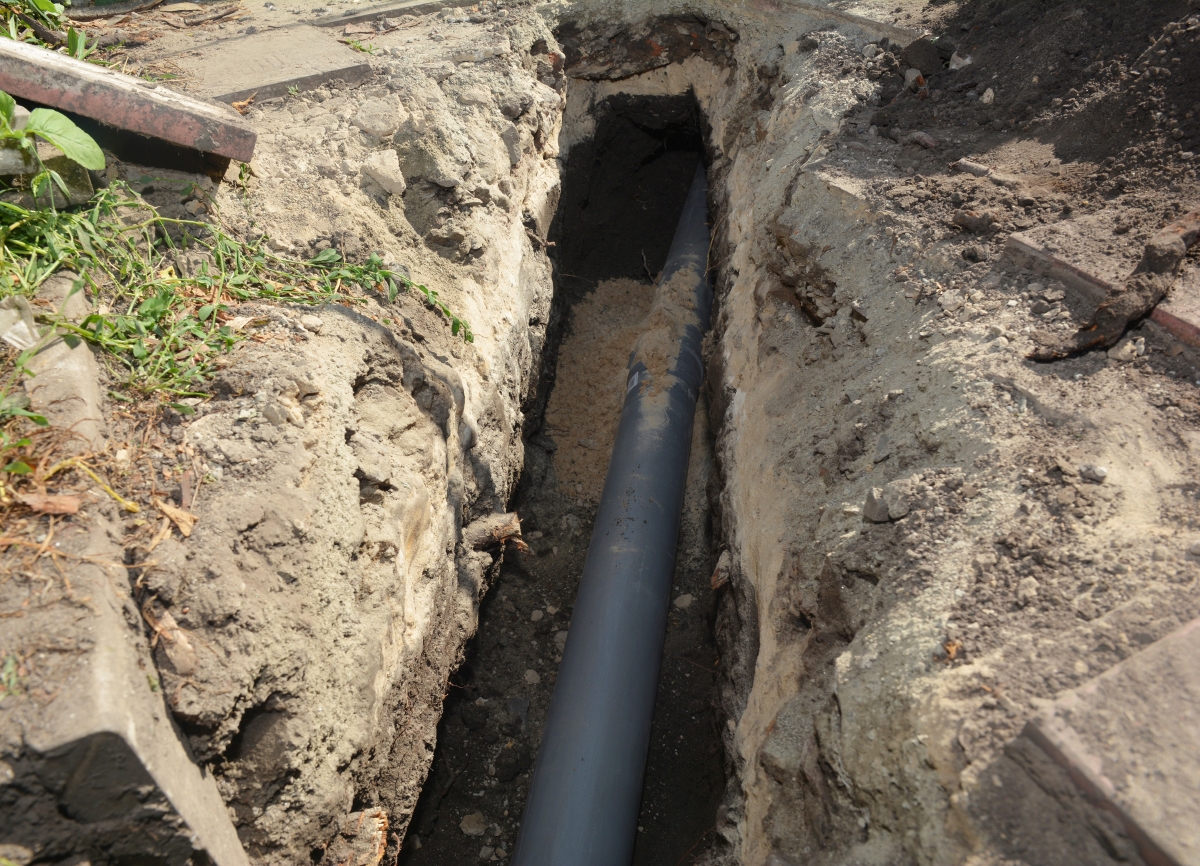
Cast iron pipes do not automatically need replacement. If the pipe still has structural integrity, repair options such as descaling or trenchless lining may be possible. Replacement is typically reserved for pipes that have channeled out, collapsed, or deteriorated to the point where repairs will not hold.
The challenge is determining which condition your pipes are actually in. That requires looking inside the line rather than guessing from a slow drain or occasional backup.
The Lifespan of Cast Iron Plumbing in Southwest Florida
Cast iron sewer systems are especially common in historic Fort Myers homes built before 1975.
Under ideal conditions, cast iron plumbing can last 50 to 75 years. Many older homes throughout Southwest Florida are now approaching or exceeding that range, and our environmental conditions accelerate wear even more.
The region's high water table places constant moisture around buried pipes, while hydrogen sulfide gas generated inside sewer systems can corrode cast iron from within. Over time, rust, scaling, and deterioration reduce the pipe's ability to carry wastewater efficiently.
That does not mean every older cast iron system needs replacement, but it does mean the condition of the pipe should be verified before making repair decisions.
Signs Your Cast Iron Pipes Are Failing
Cast iron problems often develop gradually.
Common warning signs include:
- Recurring sewer backups
- Slow drains throughout the house
- Sewer odors inside or outside the home
- Gurgling drains
- Frequent drain cleaning calls
- Unusually green patches of grass above buried sewer lines
Failing cast iron plumbing can also create recurring problems that seem unrelated at first. A drain may clear temporarily, only to clog again weeks later because the underlying pipe condition has not changed.
These symptoms can point to rust buildup, channeling, cracks, or other forms of pipe deterioration.
When Can Cast Iron Pipes Be Repaired?
A failing cast iron pipe does not automatically mean excavation.
One repair option is professional cast iron descaling. Specialized equipment removes decades of rust and scale buildup from inside the pipe, restoring usable diameter and improving flow.
Descaling is often recommended when the pipe remains structurally sound but heavy buildup is restricting drainage.
Another option is trenchless sewer repair.
After the pipe is cleaned and inspected, an epoxy liner can be installed inside the existing pipe. Once cured, the liner creates a new pipe within the old one without extensive excavation.
These approaches can be cost-effective alternatives to replacement when the pipe still has enough structural integrity to support them.
When Is a Full Cast Iron Pipe Replacement Mandatory?
Replacement only becomes necessary when the pipe is no longer structurally capable of supporting repairs.
One of the most common examples is channeling.
Channeling occurs when the bottom of the pipe rusts away completely. Instead of wastewater flowing through cast iron, it begins flowing directly against exposed soil beneath the pipe.
At that point, descaling and lining are no longer practical options.
Replacement is also commonly required when:
- Sections of pipe have collapsed
- The pipe walls have become paper-thin
- Large sections are missing
- Structural integrity has been lost
The decision should be based on the condition of the pipe rather than its age alone.
Why You Should Never Guess: The Camera Inspection
A plumber cannot determine the condition of a cast iron sewer line from a clogged drain alone.
The only way to know if the pipe can be repaired or should be replaced is to inspect it internally.
A high-definition camera inspection allows technicians to see:
- Scale buildup
- Cracks
- Channeling
- Corrosion
- Root intrusion
- Structural damage
The camera shows the actual condition of the pipe.
That information helps determine if you can repair cast iron sewer pipes or if replacement is the better option.
Aztec Plumbing & Drains uses camera inspections to provide an unbiased diagnosis before recommending repairs or replacement. Our fully licensed, background-checked Florida plumbers serve Lee, Collier, and Charlotte counties and bring decades of experience working with older cast iron systems throughout Southwest Florida.
If you suspect something is wrong deeper in your pipes, or fear that they are getting to that point, give us a call today to schedule your diagnostic sewer camera inspection.
Schedule Online(239) 932-2959