When buying a home, it's essential to protect your investment by thoroughly inspecting the property. One of the most critical inspections is a plumbing inspection. This type of inspection looks at all aspects of the plumbing system, from pipes and systems to fixtures and more. Here are five reasons you should have a plumbing inspection before buying your next home.
Age
The age of your home can determine whether or not any issues with your plumbing system need to be addressed. For example, older homes may have galvanized steel pipes, which over time, will corrode and eventually need replacing. The plumber performing the inspection can show you how much life is left in these pipes and what kind of maintenance it will require going forward.
Uncover Hidden Damage
Plumbing inspections can detect any damage in the piping system due to wear and tear or other factors like water pressure or poor installation. Hidden damage is something that most people don't think about when looking at potential homes to buy, yet it can be one of the most costly problems someone might encounter after purchase.
A plumbing inspector will look for signs of hidden damage from previous flooding or other issues related to plumbing systems throughout the house and yard so that everything gets noticed during your search process. If damage is present, then repairs can be made before moving into the home so you don't encounter any surprises after moving in.
Avoid Surprise Leaks
Plumbing inspections are also helpful in identifying any existing leaks in pipes, fixtures, and other areas around your house and outside property lines. Not only can these leaks waste water, but they can also lead to costly damages if not addressed immediately—so make sure to complete an inspection before signing that dotted line!
Drainage
If left unchecked, poor drainage can cause serious issues like flooding or mold growth. During a pre-purchase plumbing inspection, an experienced plumber will inspect all drains and sewer lines to ensure they are properly draining away from the foundation to avoid these types of problems in the future.
Efficiency
An efficient plumbing system helps keep utility bills low while reducing water waste. Your plumber will do an efficiency assessment during their inspection to measure water flow rates and identify potential water waste areas needing attention before closing a home purchase.
Avoid Unexpected Expenses
The last thing you want when purchasing a new home is to face unexpected expenses after the deed has been transferred. By having a plumbing inspection before purchase, you can identify any existing problems and factor them into the cost of the home. This will ensure that you avoid getting stuck with significant out-of-pocket repair costs down the road.
Ensure Proper Water Pressure
The quality of your water pressure is essential when it comes to your drinking and bathing water and ensuring the proper functioning of appliances like washing machines and dishwashers. A plumbing inspection will help determine if there are any issues with your water pressure system, such as leaks or clogs in pipes, which could cause severe problems down the line if left unchecked.
Peace of Mind
Lastly, having a plumbing inspection done before purchase gives you peace of mind knowing that there won't be any nasty surprises waiting for you once you move in! You'll have assurances from a professional plumber who understands all aspects of plumbing systems and knows exactly what needs attention and what doesn't for your new home's system to run smoothly without fail over time.
Oops, I Bought A House with A Huge Plumbing Problem, Now What?
Oh no! You bought a new house, only to find some serious plumbing issues you didn’t know about.
Wondering what to do now? Follow these 3 steps:
Note: We are not licensed real estate agents or attorneys. However, we are plumbing professionals who have seen this issue before. You should contact your real estate agent or an attorney for advice on what options are best for your situation.
Step #1: Contact a plumber to diagnose the problem
The first thing you’ll want to do is contact a plumber to diagnose the problem so you can get an estimate on how much the repair will cost.
If the repair cost is small, it’s usually not worth trying to get your home’s previous owner to pay. Just hire a plumber to fix the issue.
On the other hand, if the plumber quotes you an expensive repair cost based on the source of the problem, then you’ll want to determine if you or the seller are responsible for the repairs…
Step #2: Determine who’s liable to pay for the plumbing repair
This is the part where you’ll want to talk to an attorney or your real estate agent.
Generally, the buyer is responsible for the plumbing repair, but under certain circumstances, the seller could be legally obligated to pay for the repair.
For example, the seller might be responsible for the plumbing repair if:
- According to the purchase agreement, the seller was supposed to fix the issue but didn’t
- You couldn’t have reasonably discovered the plumbing issue before the sale of the house
- The seller intentionally misrepresented the condition of the plumbing (Florida law requires that the seller must disclose any conditions of the home that have an impact on its value or desirability)
Step #3: Hire a plumber to repair the problem
Regardless of who is liable to pay for the repair (you or the seller), you’ll likely be the one in charge of finding a trusted plumber in your area to fix the problem.
You’ll know you’ve found a quality plumber if they…
- Are licensed and insured: Make sure your plumber is licensed in your area. If you live in the Fort Myers, Naples, Cape Coral or SW Florida area, Aztec Plumbing & Drains serves your area and is both licensed and insured.
- You’ll want to make sure your plumber is insured in case anything goes wrong during the repair. That way, you’re not held liable for any damages to property or people.
- Have high customer satisfaction: Look at review sites like Google, BBB (Better Business Bureau) and Yelp to see if a company has satisfied customers.
- Have a long company history: Has the company been around for a long time? That’s usually a sign that they have good business practices. A company that does poor work or doesn’t leave customers satisfied won’t be around for very long.
Schedule Your Plumbing Inspection
When buying a new home, it's important to protect your investment by thoroughly inspecting all aspects of the property before closing on it, including its plumbing system!
From inspecting for age-related damage to checking for active leaks, drainage issues, and efficiency levels, inspecting your potential property's plumbing provides peace of mind.
So make sure to complete this essential step when looking for your dream home. Call our expert plumbers at Aztec Plumbing & Drains today (239) 932-2959.
Schedule Online
Learn More in Our Plumbing Series:
Think of your plumbing system as the digestive system of your home. The internal pipes and valves need to work correctly to ensure your home remains healthy and avoids major emergency repairs. Many preventative measures can be practiced regularly, from basic good habits such as refraining from putting hazardous products down the drain or cleaning your garbage disposal, to more proactive ways you can ensure your family and home stay protected from plumbing disasters.
Plumbing problems show up when you least expect them and cause a range of other issues if you don’t catch them in time. The good news is that you can protect yourself from plumbing problems by implementing the plumbing maintenance tips in this article.
Plumbing Best Practices & Good Habits
1. Know What Not To Flush Down the Toilet or Sink
Knowing what you can and can’t flush down the toilet or rinse down the sink is essential. Certain items are not meant to go through your pipes, and doing so could cause severe damage and require expensive repairs.
What Not to Flush Down the Toilet
- Feminine hygiene products
- Cotton swabs
- Cotton balls
- Paper towels
- Baby wipes (even if they claim to be “flushable”)
- Diapers
- Cigarette butts
- Hair
- Kitty litter
What Not to Rinse Down the Sink
- Paint thinner
- Bacon grease
- Oil
- Large amounts of food waste
2. Have Your Pipes Inspected Annually
Regular pipe inspections are important for maintaining your pipes’ health and catching potential issues before they become more significant problems. During an inspection, a professional plumber will inspect all visible piping and any accessible areas, such as crawl spaces under the house or behind walls where problematic areas can sometimes hide.
They will also check pressure levels in all water lines and check that all connections are secure. This prevents potential leaks down the line, which could damage both your pipes and other parts of your home.
3. Avoid Using Store-Bought Drain Cleaners
Most store-bought products contain harsh chemicals that can corrode metal pipe joints over time, leading to more severe problems later. Not only that but many of these chemical cleaners can damage plastic pipes found in many modern homes.
If you have a clogged drain problem, contact a professional plumber who can safely assess the issue and identify any potential underlying causes without causing further damage to your plumbing system with store-bought solutions.
Best Preventative Plumbing Upgrades
1. Insulate Your Pipes
Insulating your pipes is a smart choice if you would like to save money and protect yourself from possible problems. In cold climates, pipe insulation prevents pipes from freezing and cracking. The weather in Fort Myers rarely gets cold enough for that to happen. However, Florida has no shortage of humidity. Insulating your pipes can cut down on condensation, which helps prevent a humid environment in your home.
Eliminating moisture prevents mold from growing. Mold causes a stuffy nose and sore throat in most people. In rare cases, though, people can have severe reactions that require a hospital visit.
2. Install Leak Detectors
A leak can happen at the worst possible time and cause more harm than you think. It only takes one inch of water to cause up to $25,000 in water damage. If you would like to protect your home and budget from unexpected leaks, installing leak detectors is a smart way to reach your goal. Some leak detectors even send alerts to your phone so that you will know about the problem right away.
3. Install Water Hammer Arrestors
If you hear a knocking sound when some of your appliances turn off, you might want to install a water hammer arrestor. Appliances that shut off water quickly cause the remaining water to drop back to the valve, which creates this alarming sound. This problem is more than an audible nuisance; it can damage your plumbing system if you don’t address it.
4. Install a Water Softener
If you live in an area with hard water, don’t overlook the advantages of installing a water softener in your home. Hard water contains calcium and other minerals that cause low water pressure, corrosion and damage plumbing fixtures. A water softener solves that problem by removing the minerals and provides cleaner, better-tasting water.
5. Add an Anti-Sweat Valve to Your Toilet’s Water Supply Line
During Florida’s hot and humid summers, many people discover water dripping from their toilet to the floor. This dripping happens when the hot air in your home contacts the toilet that contains cool water. Install an anti-sweat valve to prevent sweating and to put this problem in the past.
6. Leak Detection
The idea that if something is out of sight, then it is out of mind is a leading cause of significant underground leak damage. Leaks not only cause harmful mold and mildew to grow and increase your monthly water bill but can also cause a pipe to burst, resulting in thousands of dollars of property damage. If you find yourself knee-deep in repair bills, you may ask yourself, could this have been avoided?
Enlisting the help of experienced professionals to inspect your pipes is a wise investment and can save you tens of thousands of dollars. Trained experts are equipped with the right tools and advanced equipment to check your home for hidden leaks. They will check your attic, walls, toilets, concrete slabs under your home, and other various places where leaks camouflage themselves. If a leak is detected, they will be able to administer immediate repair and prevent further damage.
7. Backflow Prevention
Backflow prevention requires the installation of devices that prevent your potable water from flowing backward. If your drinking water flows in the opposite direction it is intended, it can become contaminated by harmful liquids, gasses, or solid particles. Consuming water containing these pollutants can not only be detrimental to your health but can also cause severe damage to your pipes due to foreign materials entering.
Many states require backflow prevention devices to be installed in every home. While these devices can last for a very long time, they will eventually require repair or replacement. You must be aware of what water is doing on your property. If the quality of your water changes even slightly, this can indicate backflow issues. Foul odors or flavors are common signs you should call an experienced plumber immediately.
Backflow Devices That May Require Replacement or Repair
- Pressure vacuum breakers
- Reduced pressure preventers
- Double check valve systems
8. Repipe Your Home
Many homeowners are under the impression their pipes will last forever. Sometimes, this is not the case. Traditional copper piping has proven to deteriorate over time, especially in hotter climates. The effects of the water will eventually break down the pipes and cause them to leak or burst.
Replacing your outdated copper pipes with updated PEX pipes can prove to be an impactful improvement to your entire plumbing system. PEX pipes consist of synthetic materials that are highly durable due to the solid cross-linked polythene plastic. Many homeowners are choosing this over copper because of its durability, freeze resistance, and longevity.
Your Fort Myers Plumbing Experts
With more information for ensuring your plumbing system runs smoothly, our experts at Aztec Plumbing & Drains are here to help. To set up an appointment, schedule online or give us a call today at (239) 932-2959!
Schedule Online
Learn More in Our Plumbing Series:
For many homeowners, plumbing problems can be a drain (pun intended). Clogged toilets, slow-draining sinks, constantly running toilets, and slow-heating water heaters are all common issues homeowners often experience.
While some problems may be more serious than others, it's important to be aware of the most common plumbing issues in order to prevent them from happening in the first place. In this blog, our experts at Aztec Plumbing & Drains discuss homeowners’ 7 most common plumbing problems and how to deal with them or avoid them in the future.
1. Clogged Drains
One of the most common plumbing problems is a clogged drain. This can happen for a variety of reasons, such as hair buildup, food scraps, or soap scum.
There are a few things you can do to prevent clogged drains:
- Use drain covers: These can help catch hair and other debris before it has a chance to enter your drain.
- Don't pour grease down the drain: When hot grease cools off, it can solidify and cause clogs.
- Be mindful of what you're putting down the drain: Avoid putting coffee grounds, eggshells, and other solid foods down the drain.
2. Low Water Pressure
Another common plumbing problem is low water pressure. This can be caused by a number of things, such as a pipe leak, a water meter issue, or a low pressure setting on your water heater.
If the problem is just one faucet, there could be an issue with the aerator. If the problem is affecting your whole home, there are a few things you can do:
- Check for leaks: A leak in your pipes can cause a drop in water pressure.
- Check the water meter: If the dial on your water meter is moving while the meter is off, this could be an indication of a leak.
- Check the pressure setting on your water heater: The default setting is usually between 40 and 60 psi. If it's set lower than this, it could be causing your low pressure issue.
3. Water Leak
Water leakage is another common plumbing problem, and it can be both damaging and costly. Leaks can occur for a variety of reasons, such as corroded pipes, faulty valves, or loose fittings.
If you notice that you're losing water pressure or if your water bill seems higher than usual, it's important to investigate and find the root of the problem.
4. Constantly Clogged Toilet
Clogged toilets are one of the most common plumbing problems homeowners face. Luckily, they can avoid these problems with proper maintenance.
Make sure you never flush items such as:
- Feminine hygiene products
- Cotton swabs
- Paper towels
- Diapers
- “Flushable” wipes
- Hair
Avoiding flushing, these items will help prevent clogs from forming in your toilet pipes or septic system. If you have a clog, use a plunger before attempting any chemical solutions. If the problem persists, enlist the help of a trained professional who can properly clean your pipes and prevent more severe problems from forming.
5. Slow Draining Sinks
Another common problem for homeowners is a slow-draining kitchen sink. Usually, this problem is due to food particles and grease buildup in the pipes over time.
To avoid this issue, not pouring grease or food particles down your sink drain is important. Also, consider purchasing a drain strainer for your sink. Be sure to empty the strainer regularly so debris doesn’t accumulate. Furthermore, it would be best to have a professional plumber come out every few years and inspect your drains for any buildup or blockage that could cause drainage issues in the future.
6. Constantly Running Toilet
A constantly running toilet is another issue that plagues many homeowners. This issue typically occurs when there is an issue with the flapper valve or obstruction blocking water from flowing away from the bowl properly.
To avoid this problem, inspect your flapper valve regularly for any wear or damage and clean out any debris that could block water flow away from the bowl.
7. Slow Heating Water Heater
Finally, if you have a water heater, chances are you’ve experienced an issue with it taking too long to heat water for showers or washing dishes. This problem is usually caused by mineral deposits building up on the heating element over time or a faulty thermostat not working correctly anymore.
Regular maintenance, such as changing the anode rod and inspections of your water heater, can help prevent this issue from occurring because they will catch any potential problems before they become serious ones!
Your Trusted, Local Plumbing Team
By being aware of the most common issues and taking a few simple precautions, you can ensure your home stays in good working order. If you do encounter a plumbing problem, our team is here to help. Contact Aztec Plumbing & Drains today online or at (239) 932-2959 for all your plumbing needs.
Schedule Online
Learn More in Our Plumbing Series:
How Long Do Toilets Last?
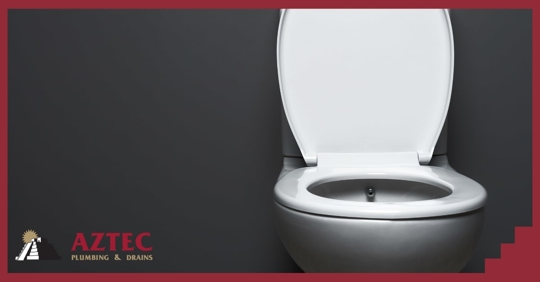
Toilets are built to last. They are one of the most-used items in the home and take up a large chunk of your water bill, but despite all that use, toilets can last 50 years or more. That’s way longer than any appliance and most shingle roofs!
This isn’t to say that you can just forget about taking care of your toilet for 50 years. But how long can you reasonably expect your toilet to last? There are many factors that determine the lifespan of a toilet.
Water Efficiency
The biggest difference between older and newer toilets is water efficiency. The Environmental Protection Agency set the standard for toilets to use only 1.6 gallons of water per flush. And the newest models are able to use only 1.28 gallons per flush, a significant improvement.
If your toilet isn’t up to these standards, you may want to consider an upgrade. You can save a significant amount of money by upgrading to a water-efficient toilet.
Constant Repairs
As with most things, if you’re making constant repairs to your toilet, it may be more sensible to upgrade to a new unit. Mechanical issues may indicate your toilet isn’t as efficient as it could be, so you’ll be spending more than is necessary.
Consult with your plumber to see if they think it’s time for a new toilet.
Cracks
If there are cracks in your toilet, you’ll need to get it replaced. Cracks lead to leaks, which not only wastes water but can damage your floor and be a safety hazard. If you notice leaking around your toilet, contact a plumber immediately.
Your Toilet Issues, Solved
When you have a problem with your toilet, contact the experts at Aztec Plumbing & Drains. Our team is standing by, ready to help with any plumbing problems you may experience. Call us today at (239) 932-2959.
Learn More in Our Toilet Series:
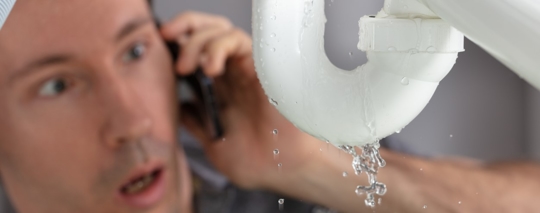
Your cousin’s friend’s uncle who does “a little plumbing on the side” might work cheap, but he’s going to cost you one way or another. Hiring an amateur handyman is rarely a good idea. Here’s why you should think twice before letting an unlicensed plumber attempt a repair or installation and choose a team of experienced plumbing professionals instead.
Hiring an Unlicensed Plumber: You Get What You Pay For
Doesn’t Have Insurance
Before bringing in a plumber, always make sure they’re properly insured. The last thing you want is to get hit with an unexpected lawsuit. If an unlicensed plumber happens to get injured while performing repairs, you could be held liable for their medical bills. Licensed plumbers are required to have liability insurance, which gives customers an extra sense of security.
It Can Cost You Double
When getting your plumbing fixed, it’s important that the job is done right the first time. Unlicensed plumbers are more prone to making blunders. Even worse, they don’t offer a warranty. This means you’ll ultimately have to call a professional to do the job again, which is more money out of your pocket.
Property Damage
Plumbing is a highly skilled profession. If the person doesn’t know what they’re doing, there’s a greater chance for them to ruin things. Property damage becomes a serious concern when dealing with an unlicensed plumber. From broken pipes to leaky plumbing fixtures, a wide range of different problems can occur.
Related: When is a Permit Required for a Plumbing Project?
Disrupt Your Life
Licensed plumbers have a great deal of knowledge and experience. They’ve received hours of expert training. You can trust them to perform repairs quickly and effectively. Emergency plumbing issues, such as toilet backups and burst pipes, must be resolved as soon as possible. There’s absolutely no room for mistakes. Unlicensed plumbers can leave you with a big mess and because they don’t have an online reputation to worry about, they have no incentive to clean it up.
Doesn’t Have the Proper Tools
The average plumbing repair can’t be done with a basic toolset. A number of specialized instruments are often needed, which can be quite expensive. Even if an amateur is able to acquire the necessary equipment, they must know how to use it. Incorrectly using some hand tools can lead to injuries, including bone fractures and severe cuts.
Count on the Licensed, Insured Fort Myers Plumbing Professionals
If you’ve been burned by an unlicensed contractor before, we understand you may be hesitant to trust someone new to help with your home. That’s why Aztec Plumbing & Drains ensures that each of their technicians is licensed, trained, and drug-tested. We also offer a 1-year warranty on all parts and labor. Schedule your appointment by calling (239) 932-2959 or contact us here.
Learn More in Our Plumbing Series:
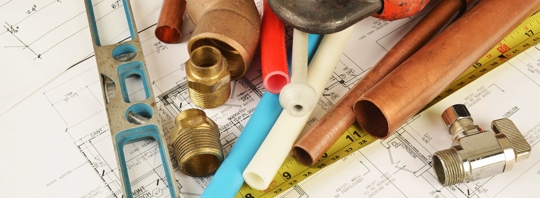
Welcome to another edition of Ask Aztec, where we help you address your most pressing plumbing issues! We’re addressing misconceptions about tankless water heaters in this installment, discussing permitting requirements, and explaining what an expansion tank does (and doesn’t do).
Do I Need a Permit to Install a Water Heater?
I’ll admit it. I’m a cheapskate. I found a used water heater in excellent condition, and I’d like to install it myself. Do I need a permit?
- Pinching Pennies in Port Charlotte
Dear Pinching,
Yes, you most likely need a permit to install your new/used water heater. While permitting requirements vary across jurisdictions, permits for water heaters are fairly standard. And for good reason: Your installation needs to meet the current code as a matter of health and safety. Overlooking something critical, such as a temperature and pressure relief valve, could result in an explosion. Your water heater also needs to vent properly, or it could fill your home with dangerous levels of carbon monoxide. Installing a water heater is a complicated project, one best left to the professionals.
While your desire to save money is understandable, a DIY-install isn’t worth the risk. Plus, a faulty operation could end up costing you more in the long run.
We also have serious concerns about installing a used water heater, but that’s a topic for another day.
Does My Water Heater Need an Expansion Tank?
We’re always running out of hot water in our house. Would an expansion tank help? I’m a mother of three teenagers and haven’t had a hot shower in ages.
Dear Cold,
Sorry to hear that you’ve been shivering through your showers, but an expansion tank isn’t the solution. An expansion tank doesn’t add to your water heater’s capacity; it serves a different purpose entirely.
An expansion tank alleviates pressure that builds up within your water heater as a result of thermal expansion. When water becomes hot, its volume increases. That pressure has to go somewhere, hence the expansion tank. Without it, the water pressure in your home can rise to a dangerous level. That’s why the plumbing code requires an expansion tank in certain applications.
To solve your problem, you’ll need a larger capacity water heater. For a household of five or more people, we recommend a 56-gallon water heater. Alternatively, you could upgrade to a tankless water heater, which supplies endless hot water. Plus, it’s considerably more efficient than the tank-style appliance.
At the very least, consider establishing a shower schedule; some shower in the evenings, others in the morning. That way, no one is left in the cold.
Does a Tankless Water Heater Supply Instant Hot Water?
I have to wait upwards of three minutes before my shower is warm enough for me to get in. Will a tankless water heater speed things up?
Dear Impatient,
Tankless water heaters are sometimes called “instantaneous” water heaters, which can be a little misleading. It doesn’t mean that hot water will come out of the tap right away. Instead, the appliance heats the water on demand. It will still take a moment for the water to warm up and travel to the faucet and showerhead.
While a tankless water heater won’t get you in the shower any faster, it will supply endless hot water and slash your energy bill.
To solve your problem, you’ll need a hot water recirculating pump. It keeps warm water in constant circulation through your water supply pipe so that it’s there when you need it.
Got a Question for Our Fort Myers Plumbers?
Our plumbing experts serving Southwest Florida are always happy to lend their advice, whether here in our blog or on the phone. Got a question? Don’t hesitate to reach out to Aztec Plumbing & Drains by (239) 932-2959.
Learn More in Our Plumbing Series:
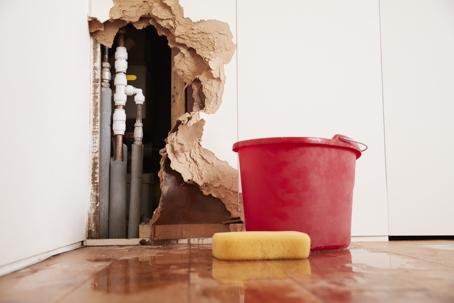
As plumbers, we have to continually remind ourselves that there are certain things that are common sense to experienced plumbing technicians but are completely foreign concepts to others. We occasionally receive calls from panicked homeowners and we shake our heads and think to ourselves, “If only they knew.”
That’s why we’re going to impart a bit of wisdom to hopefully spare yourself some headaches and troubles down the road. Here are six things that shouldn’t be the exclusive knowledge of plumbers:
1. Don't Overtighten Fittings
If you have a connection that's leaking, it's easy to tighten. However, overtightening connections is one of the most common mistakes. When you overtighten connections, you can crack threaded nuts or ruin rubber seals. Start by making it finger-tight. Don't give it more than about one-eighth of a turn with pliers beyond that.
2. Find Your Main Shutoff Valve
If you don't already know where the valve is at, make a note of it before an emergency happens. If your home has a crawlspace, the shutoff valve may be near the front of the house on a wall. If your home is on a concrete slab, check to see if the shutoff valve is near your water heater or under the kitchen sink. It may also be in the garage. With some homes, the shutoff valve is outside. If this is the case, it's usually at ground level under a round or rectangular cover that's close to the street. Depending on where your valve is, you may need special tools to access it or turn it. Learn how to do this, and keep the tools in an accessible place in case of an emergency.
3. Learn How to Use Plumber's Tape
This tape is also called Teflon tape. It's useful for creating a watertight seal between pipe fittings. These are some guidelines for a threaded fitting:
- Clean the threads thoroughly first, and start on the second thread from the end.
- Wrap the tape in the same direction as the threads.
- Ensure that the tape is always flat and not bunched.
- Keep consistent tension to ensure a snug fit, and work away from the end of the pipe to overlap the tape.
Also, be sure to use the right type of tape. There are different colors for different types of pipes, such as water or gas pipes.
4. Use Plungers Correctly
There are different types of plungers designed for specific jobs. For example, use a sink plunger only for a sink and a toilet plunger only for a toilet. Plungers are good for busting small clogs. For a stubborn clog in a toilet or sink, try pouring in some de-greasing dish detergent and boiling water. Let it sit for a little while before you use a plunger. You can also rub petroleum jelly around the rim of the plunger to form a more effective seal.
If a plunger doesn’t do the job, do not -- we repeat -- do not use caustic drain cleaners. According to the U.S. National Library of Medicine, caustic drain cleaners are harmful if you inhale them or accidentally get them on your eyes or skin. Also, they're hard on your pipes and can cause serious damage.
5. Don't Pour Grease Down the Drain
Pouring grease down your sink drain or in-sink garbage disposal can lead to clogs in your pipes when the grease solidifies.
However, there's a worse problem that happens when the grease travels into the sewer and mixes with other non-biodegradable waste: the cumulative waste can form into a hard consistency and grow to the size of a Volkswagen. Researchers call them "fatbergs" since they become like icebergs of fat in the sewer. When fatbergs clog sewers, they can cause expensive and dangerous backups that affect many people. Pour grease into old coffee cans or jars and dispose of them in the garbage.
6. Be Mindful When You Drill Through Walls
If you don't know where the pipes are in your walls, find out before you do any drilling. This is also important for cables and wires. There are wall scanners available to show you where studs, pipes, and cables are behind the walls. If you hit a water pipe, you'll have a mess to deal with. However, hitting a gas pipe could be dangerous.
Bottom line: While we're happy to help if you need us, we don't want to see you pay for any avoidable problems. When you encounter a problem that requires a pro, call Aztec Plumbing & Drains at (239) 932-2959 and we’ll be happy to help you out. Count on us for inspections, maintenance, and emergency plumbing situations!
Learn More in Our Plumbing Series: