Many Fort Myers homeowners do not think about repiping until something forces the issue. A burst pipe. A stain on the ceiling. A slab leak that appears out of nowhere. When a crisis hits, repiping suddenly jumps to the top of the list. But when you look closely at the long term picture, another question often stands out. Is waiting really the less expensive option?
This guide helps Southwest Florida homeowners understand the two paths they face. One is proactive and planned. The other arrives suddenly and usually brings more damage than expected. Knowing the difference helps protect your home and avoid disruption.
The 2 Paths: Proactive Repiping vs. Reactive Repairs
Path 1: Repiping as a Strategic Investment
When a home is repiped, the old lines that have been wearing down for years are replaced with new PEX or copper piping. For many older Fort Myers homes, this is like refreshing the entire plumbing system. Instead of worrying about the next leak, you get dependable lines designed to last.
Homeowners who repipe early often notice improvements right away. Water pressure becomes steadier. The water looks clearer. Those small leaks stop showing up around sinks or baseboards. The home may even gain value because buyers appreciate newer plumbing. It feels similar to replacing a roof before it leaks. You choose the timing instead of letting a failure choose it for you.
Path 2: The High Price of Plumbing Emergencies
Waiting may seem easier at first, but the trouble often grows quickly. A leak can move behind walls or under floors long before it becomes visible. Once water spreads, the damage multiplies.
Emergency situations often lead to more than a plumbing repair. Floors may buckle. Cabinets may need replacement. Mold can form and require remediation. Emergency plumbing calls cost more, and insurance deductibles add another layer. In many older Fort Myers homes, a slab leak repair can uncover additional issues. Fixing one pipe does not guarantee the others will hold.
Recognizing the Warning Signs of Pipe Failure
Common Symptoms and What to Look For
Fort Myers homes often show small signs of wear long before a major problem appears. You might see the water turn slightly rusty. A faucet may sputter. Pressure drops during shower time. A tiny pinhole leak (extremely common in older Fort Myers neighborhoods). Some homeowners hear water movement even when everything is off.
These clues usually point to pipes that have been weakening for a while. When several of these symptoms show up together, it often means the plumbing system is nearing failure.
Specific Risks for Fort Myers Homes
Local conditions can speed up pipe deterioration. High humidity encourages corrosion. Mineral rich water slowly wears down copper. Many older neighborhoods still rely on original piping that is reaching the end of its lifespan. Soil shifting beneath slabs can lead to slab leaks. These factors make proactive repiping a practical choice for many Southwest Florida homes.
The True Cost: Plumbing Expense vs. Expensive Property Damage
Comparing a repair cost with the price of a repipe can be misleading. A simple repair may appear cheaper, but water damage rarely stops at the pipe.
The Cost of Inaction
A small leak behind a wall can spread quietly. Moisture can sit long enough to damage drywall or stain ceilings. Floors may swell or separate. Mold may develop in warm, enclosed areas. These problems often require multiple contractors to repair, and the bills add up quickly.
Homeowners often expect a single plumbing expense and end up facing several restoration costs. Water damaged materials, increased water bills, and recurring leaks make reactive repairs far more expensive than they seem at first glance.
The Value of Prevention
Repiping has an upfront cost, but it removes the risk of hidden leaks and surprise failures. New PEX or copper lines bring decades of stability. Once the new system is in place, most homeowners stop worrying about plumbing for a long time.
Families who repipe early usually see better water pressure, cleaner water, and far fewer emergency calls. They also gain peace of mind knowing the system inside their walls and under their floors is in strong condition.
Proactive repiping can also help you avoid future disruptions like slab leaks, mold spread, and unexpected shutdowns during peak season.
Don’t Let Indecision Weigh Down Your Home’s Future
Plumbing problems rarely appear at a convenient time. A pipe may fail late at night or during a busy morning. Taking action early gives you control. Instead of scrambling during a crisis, you choose when the work happens and how it is handled.
Aztec has repiped thousands of homes across Southwest Florida, giving us deep experience with the region’s soil conditions, plumbing materials, and water chemistry. We support Fort Myers homeowners with a full range of services including repiping services, leak detection, emergency plumbing, sewer line camera inspections, and consultations for aging pipes.
Our team is known for honest guidance, clear communication, and dependable work. Don't wait until it’s too late. Schedule your appointment online with Aztec or give us a call at (239) 932-2959 today!
Down here in Southwest Florida, the air is almost always humid. That’s normal outside, but inside your house, extra moisture can turn into a real headache. A small drip behind a wall or under the floor might not seem like much but give it a little time and it can cause mold, warped floors, and some pretty big repair bills.
Aztec Plumbing & Drains has seen this happen in homes across Fort Myers, Cape Coral, Naples, and Port Charlotte. We’ve found leaks no bigger than a pinhole that led to full mold remediation later on. Mold exposure can also trigger coughing, allergies, and breathing issues, especially in Florida’s humid climate. Catching it early makes all the difference.
The Science of Mold: Why Water Is the Key Ingredient
In Southwest Florida, where humidity rarely drops, even a tiny leak gives mold everything it needs to grow behind walls long before you see visible signs: water, warmth, and something to feed on. Florida homes have two of those all the time; warmth and plenty of drywall or wood. Add water from a small leak and mold can start spreading in a day or two.
Once it gets going, mold travels fast through the air and even your AC system. That’s when you start smelling that musty odor or waking up with a scratchy throat. The only real way to stop it is to dry the area out and fix the source of the leak.
The 5 Most Common Places Hidden Leaks Occur
Most leaks hide where you can’t see them. You might not know anything’s wrong until you spot a stain, smell mildew, or notice soft drywall.
Here’s where we usually find them around Fort Myers homes:
- Behind walls or under floors near bathrooms and kitchens.
- Around toilets or showers where seals wear out.
- Under sinks where fittings loosen or lines corrode.
- Near laundry rooms or water heaters when hoses leak.
- Under concrete slabs, where leaks stay hidden but cause major damage.
A slow drip in any of these spots keeps everything damp. Once that happens, mold doesn’t take long to move in.
Causes of Small Leaks
Small leaks start for a lot of reasons. Most come from pressure, age, or just loose parts.
- High water pressure pushes joints and fittings until they leak. A regulator keeps pressure in check.
- Worn seals and connectors show up around older appliances or fixtures.
- Corrosion in older pipes eats away at the metal. Aztec’s repiping service replaces those lines with modern materials that hold up better in our climate.
- Loose fixtures like a dripping faucet or showerhead waste water and keep the area damp. Tightening or replacing parts usually solves it.
- Sewer line backups can send water back into drains and cause leaks under the slab. If you smell sewage or see slow drains, that’s a sign to call for help.
The High Cost of Ignoring a Small Leak
Letting a small leak go is like leaving the window open during a rainstorm. The water seeps in, and it doesn’t stop. Over time, it ruins drywall, flooring, and even the framing that holds your house together.
Here’s what can happen when a leak sits too long:
- Mold grows and spreads through the air ducts.
- Wood and drywall soften or rot.
- Floors warp or start to buckle.
- Air smells musty and feels damp.
- Repair costs climb fast once structural work is needed.
We’ve seen leaks that could’ve been fixed in an hour turn into thousands of dollars in cleanup later. That’s why regular leak checks matter. Aztec Plumbing & Drains offers full leak detection across Fort Myers and Southwest Florida to stop the damage early.
Professional Leak Detection and Repairs from Aztec Plumbing & Drains
Finding a hidden leak isn’t guesswork for our team. We use advanced tools to spot water behind walls, under floors, and even under the slab without tearing up your home.
Our services include:
Once we find it, we fix it for good. That’s how we’ve built trust with homeowners all over Cape Coral, Naples, and Port Charlotte.
Don’t Let a Small Leak Turn Into a Big Problem
Florida humidity gives mold everything it needs. Add one plumbing leak and you’ve got the perfect recipe for damage. If you notice damp spots, warped floors, or that smell that won’t go away, call Aztec Plumbing & Drains today at (239) 932-2959.
We’ve been helping Southwest Florida homeowners for decades. Our leak detection, repiping, and emergency services keep homes dry and safe year-round.
Don’t wait until the problem spreads. Schedule a leak inspection with Aztec Plumbing & Drains today and protect your home before that small leak becomes a major repair.
Plumbing isn’t something most people think about until there’s a leak or costly repair. But if your home is several decades old, your pipes may already be nearing the end of their lifespan. Where we are based in Southwest Florida - covering areas like Fort Myers, Cape Coral, Naples, and Port Charlotte - humidity, salt air, and hard water all contribute to early pipe wear. Knowing what to expect can help you plan repairs before bigger problems develop. Let's dig into how long pipes last.
Average Lifespan of Different Types of Plumbing Pipes
Brass pipes have a general life expectancy of around 40 to 70 years while copper usually only lasts around 50 years and galvanized steel taking the prize for the shortest lifespan of around 20 to 50 years on average.
Other materials include:
- Cast iron, which can last 50 to 100 years underground but may corrode faster in wet environments
- PVC and CPVC, which can last 40 to 75 years when installed properly
- PEX pipe, which is flexible, corrosion-resistant, and typically lasts about 40 to 50 years
- Clay sewer pipes, with a lifespan of about 50 to 60 years, although they are brittle and prone to root intrusion
- Orangeburg pipe, which lasts only 30 to 50 years and often fails much sooner due to its fragile, compressed-fiber construction
If you’re not sure what type of plumbing is in your home, a professional inspection can help identify the materials and their current condition.
What Determines the Lifespan of Plumbing Pipes?
Several factors affect how long pipes last in a house. While the material is the biggest indicator, other things can accelerate wear and corrosion.
Key factors include:
- Pipe material: Each type has its own average lifespan
- Water quality: Hard water with high mineral content wears down some pipes faster
- Soil conditions: Sandy or corrosive soils in Florida can degrade underground lines more quickly
- Installation quality: Poor workmanship or older connection methods can lead to early failure
- Maintenance and water pressure: High pressure or infrequent flushing can stress pipes over time
Homeowners in Florida also face unique climate stressors, including tropical storms, moisture, and seasonal shifts that can accelerate corrosion or underground movement.
Signs Your Plumbing Pipes Are Reaching the End of Their Lifespan
- Frequent leaks or moisture spots on ceilings, walls, or floors
- Discolored water, especially reddish or brown tones from rust or sediment
- Reduced water pressure that isn’t caused by fixtures
- Recurring clogs or slow drains, particularly in older sewer lines
- Visible corrosion on exposed pipes under sinks or in basements
- Water with an unusual taste or odor
How Long Do Plumbing Pipes Last in Florida Homes?
Florida’s environment speeds up the aging process for many plumbing materials. Hard water leads to mineral buildup. Hurricanes shift underground lines. Constant moisture increases the risk of corrosion, even inside your walls.
As a result:
- Galvanized water pipe life expectancy may drop toward the lower end of the range
- Copper pipe life expectancy in Florida is often closer to 40 than 50 years, especially in areas with acidic water
- Clay sewer pipe life expectancy can be shortened by root damage in tree-lined areas
- Cast iron pipe installed underground may rust or scale more quickly due to moisture-rich soil
- PEX and CPVC offer solid performance in Florida homes due to their resistance to corrosion and temperature changes
Many homes in Fort Myers, Cape Coral, Port Charlotte, and Naples built before 1985 are already overdue for a plumbing evaluation.
Should You Repair or Replace Aging Pipes?
Aztec Plumbing & Drains helps you decide by inspecting your system and explaining your options.
You may want to consider full repiping if:
- Multiple leaks have occurred in a short time
- Your plumbing system includes outdated or unsafe materials like Orangeburg or galvanized pipe
- You’re planning a major remodel and want to avoid future pipe problems
- The cost of repeated repairs is adding up
If the issue is isolated or caught early, targeted repair may be enough to restore performance and extend your pipe’s life.
How to Extend the Life of Your Home’s Plumbing System
A few smart habits can help protect your plumbing system:
- Install a whole-home water softener to reduce mineral buildup in pipes
- Flush water heaters annually to prevent corrosion and sediment problems
- Avoid chemical drain cleaners that can weaken certain pipe materials
- Watch for early signs of trouble like dripping, discoloration, or foul odors
- Schedule regular inspections from licensed professionals who know what to look for
Preventive care keeps your system in better shape and helps catch issues early.
Aztec Plumbing & Drains Pipe Inspection & Repiping Services
Aztec Plumbing & Drains proudly serves homeowners across Southwest Florida with plumbing solutions with honest, upfront pricing. We offer $0 trip fees and provide expert recommendations tailored to your home’s age, pipe materials, and budget.
Our team provides:
- Professional camera inspections to assess underground or hidden pipe damage
- Clear, up-front pricing with no surprises
- Full or partial repiping services with modern, long-lasting materials
- Flexible scheduling and clean, respectful service every time
If you're wondering how long your pipes will last or need help deciding between repair and replacement, we're here to guide you. Give us a call today at (239) 932-2959.
Learn More in Our Repiping Series:
Florida homeowners know that hurricane season brings heavy rains, flooding, and high winds, all of which can strain plumbing systems. Prepare in advance by conducting your own hurricane plumbing inspection to help prevent water damage, sewer backups, and plumbing failures.
At Aztec Plumbing, we specialize in plumbing repair and replacement. If you find issues in your plumbing while conducting a hurricane plumbing inspection, contact us ASAP! Our expert team can fix issues that you find in your pipes, drains, sump pumps, and water systems. We’ll help you be storm-ready before a hurricane and fully functional after it passes.
Why Hurricane Plumbing Inspections Matter Before & After the Storm
Hurricanes can overwhelm plumbing systems, causing water pressure fluctuations, leaks, and blockages. A hurricane plumbing inspection helps homeowners:
- Identify potential weaknesses before a storm
- Prevent costly water damage and flooding
- Ensure proper drainage and sewer function
- Restore plumbing systems quickly after the storm
By conducting a plumbing inspection, homeowners can protect their property and avoid major repairs.
Key Plumbing Issues to Check Before a Storm
A hurricane can put significant strain on your home’s plumbing system, increasing the risk of leaks, backups, and water damage. Checking key components before severe weather hits ensures your system is prepared to handle heavy rainfall, flooding, and pressure changes.
Leak Detection & Repairs
Even minor leaks can worsen during a hurricane, leading to water damage and mold growth. Detecting and repairing them in advance prevents costly repairs and structural issues.
Sump Pump Inspection & Maintenance
A properly functioning sump pump is essential for protecting basements and crawl spaces from flooding. Inspecting and testing the system ensures it will operate when needed.
Backflow Prevention Testing
Storm surges and heavy winds can reverse water flow, potentially contaminating your home’s water supply. Testing backflow prevention devices ensures clean, safe drinking water.
Water Heater & Pipe Security
Water heaters and pipes are vulnerable to high winds and flooding. Securing them before a storm helps prevent ruptures, leaks, and costly water damage.
Drainage & Sewer Line Readiness
Heavy rainfall can overwhelm drains and sewer lines, leading to backups and water damage. A storm sewer inspection ensures your system can handle excess water.
Hurricane Preparedness Plumbing Checklist
Before hurricane season, homeowners should take the following steps to ensure their plumbing system is ready:
- Check for leaks in pipes, faucets, and water heaters
- Inspect and test sump pumps to confirm they are operational
- Clean gutters and storm drains to prevent backups
- Shut off outdoor faucets and secure exposed plumbing
- Ensure backflow prevention systems are functioning
- Locate and test the emergency shut-off valve for quick water control
Taking preventive measures reduces the risk of storm-related plumbing damage. Check out our hurricane preparedness guide for an even more in depth checklist.
Post Storm Plumbing Assessment & Repairs
After a hurricane, plumbing systems may be affected by flooding, debris, and pressure changes. You can conduct a post-storm hurricane plumbing inspection to identify hidden issues before they cause long-term damage.
Identifying Storm-Related Pipe Damage
Hurricane winds and flooding can shift soil, causing underground pipes to crack or disconnect.
Clearing Clogged Drains & Sewers
Debris from storms can clog drains and sewer lines, leading to backups. Clearing clogged drains and sewer lines helps restore proper flow.
Checking Water Pressure & Leaks
Changes in water pressure may indicate pipe damage. Inspecting for leaks and testing water pressure ensures system stability.
Evaluating Sump Pump & Flood Protection Systems
If flooding occurs, sump pumps must work efficiently. Checking power connections and drainage performance prevents post-storm water damage.
Restoring Water Quality & Filtration Systems
Flooding can introduce contaminants into water systems. A post-storm plumbing damage assessment ensures drinking water remains safe.
Emergency Shut Off & Water Conservation Tips
During a hurricane, homeowners may need to shut off water supply lines to prevent damage. Knowing where and how to turn off the main water valve is critical.
Additional water conservation tips include:
- Filling bathtubs and containers with clean water before the storm
- Turning off irrigation systems to prevent unnecessary flooding
- Using stored water wisely in case of post-storm supply disruptions
How Aztec Plumbing Helps Protect & Restore Your Home
Aztec Plumbing provides plumbing preparation services to help Florida homeowners stay ahead of storm damage. Our team offers:
With our expertise, homeowners can feel confident that their plumbing is hurricane ready and protected year-round. We've also channeled our expertise into a full Hurricane Preparedness Guide, if you're looking for more in-depth information.
Contact Aztec Plumbing for Plumbing in Fort Meyers and Surrounding Areas
Hurricane season brings unpredictable challenges, but with the right hurricane plumbing preparation, homeowners can prevent costly plumbing failures.
Aztec Plumbing provides plumbing services in Fort Myers, Cape Coral, Naples, Port Charlotte, and more! Call today at (239) 932-2959 or schedule online!

A home’s plumbing system is essential for daily comfort, yet many homeowners don’t think about their pipes until problems arise. Aging or deteriorating pipes can lead to costly leaks, water damage, and poor water quality. House repiping is a long-term solution that eliminates recurring plumbing issues, enhances efficiency, and increases the overall value of a home.
At Aztec Plumbing, we specialize in homes throughout Fort Myers, providing professional service and high-quality materials to ensure a reliable and long-lasting plumbing system. Whether you’re dealing with low water pressure, corroded pipes, or frequent leaks, repiping can resolve these issues and improve your home's plumbing performance.
What Is House Repiping?
House repiping is the process of replacing old, failing, or outdated pipes with new, durable materials such as PEX or copper. Over time, pipes can develop corrosion, leaks, and buildup that restrict water flow and compromise water quality. Repiping eliminates these issues by installing a completely new plumbing system, ensuring consistent water pressure, clean water, and fewer repair needs.
Homeowners often need repiping when they experience:
- Frequent pipe leaks or bursts due to corrosion
- Weak or inconsistent water pressure throughout the home
- Discolored or foul-smelling water from rusted or deteriorating pipes
- Aging materials such as galvanized or lead pipes that are no longer up to modern plumbing standards
Key Benefits of Repiping Your Home
Repiping provides several advantages beyond simply preventing leaks. Some of the main benefits include:
- Improved water quality: Eliminates rust, sediment, and chemical leaching from outdated pipes
- Increased water pressure: Prevents clogs and buildup that restrict flow in aging plumbing
- Prevention of costly leaks: Reduces the risk of water damage and mold growth from hidden pipe failures
- Enhanced safety: Protects your home’s structure by preventing pipe bursts
- Environmental benefits: New pipes reduce water waste and support eco-friendly plumbing solutions
- Compatibility with modern systems: Ensures compatibility with high-efficiency water heaters and filtration systems
- Quieter plumbing: Reduces knocking, creaking, or vibrating pipes caused by loose or deteriorating materials
- Temperature stability: Prevents inconsistent hot and cold-water fluctuations throughout the home
Long-Term Cost Savings of Repiping
Many homeowners delay repiping due to upfront costs, but replacing an outdated plumbing system pays off in the long run. Leaky pipes can cause thousands of dollars in water damage, and frequent repairs quickly add up. A whole house repipe eliminates ongoing repair expenses and reduces emergency plumbing costs.
Additionally, newer piping materials are more resistant to wear and corrosion, meaning homeowners spend less on maintenance over time. Some repiping projects may also qualify for tax credits or rebates when using water-efficient materials, further increasing savings.
How Repiping Impacts Home Insurance and Resale Value
Modern plumbing systems add value to a home and can lower insurance premiums. Many insurance companies charge higher rates for homes with aging or failing pipes due to the increased risk of water damage claims. Upgrading to new, high-quality pipes can lead to lower premiums and better coverage options.
For homeowners considering selling, repiping is an attractive feature for buyers. New plumbing increases home value by improving efficiency, reliability, and water quality, all major selling points in today’s real estate market.
Additionally, newer pipes help maintain warranty coverage for water heaters and plumbing fixtures, preventing unexpected expenses down the road.
Common Myths About House Repiping Debunked
There are many misconceptions about repiping that lead homeowners to delay necessary plumbing upgrades. Here are some of the most common myths debunked:
- Myth: Partial repiping is just as effective as full repiping.
- Fact: Mixing old and new pipes can create uneven water pressure, increase the risk of leaks, and lead to premature system failure.
- Myth: Repiping requires tearing up walls and floors.
- Fact: Modern repiping techniques are minimally invasive, often requiring only small access points.
- Myth: Water quality improves instantly after repiping.
- Fact: It may take a few flushes for residual buildup to clear from the system, but water quality will improve shortly after installation.
When Should You Consider Repiping?
Knowing when to repipe can save homeowners from expensive repairs and water damage. Signs that it’s time to replace your home’s plumbing system include:
- Pipes that are more than 40 years old
- Frequent leaks or visible corrosion on exposed pipes
- Low or fluctuating water pressure throughout the home
- Rust-colored or metallic-tasting water
- High water bills due to undetected leaks
If any of these issues sound familiar, scheduling a repiping inspection can help determine the best course of action.
Schedule Your Repiping Consultation Today
If your home’s plumbing is outdated, inefficient, or causing frequent problems, repiping may be the best solution. Aztec Plumbing specializes in whole home repiping, using high-quality materials and modern techniques to ensure long-lasting performance.
Call Aztec Plumbing today at (239) 932-2959 to schedule a consultation and take the first step toward a safer, more efficient plumbing system.
Deciding between repiping and pipe repair can feel overwhelming when faced with plumbing issues. Both options serve specific purposes, but the right choice depends on your home's unique needs. This guide will break down when to choose pipe repair versus repiping, so you can make an informed decision.
When to Choose Pipe Repair
Pipe repair is a practical choice for addressing specific, localized plumbing issues. It’s often the go-to solution for homeowners seeking a quick and cost-effective fix without major disruptions to their system.
- Targeted Solution: Pipe repair focuses on fixing specific problems in isolated areas of your plumbing system, such as individual leaks, cracks, or blockages. This option is excellent for minor issues that don’t require extensive intervention.
- Cost-Effective Short-Term Fix: Initially, pipe repair is less expensive and less disruptive than repiping. For homeowners seeking a quick and affordable solution to a specific issue, pipe repair is a practical choice.
- Ideal for Newer Systems: If your plumbing system is relatively new and in good condition overall, pipe repair is often sufficient to address isolated problems. Modern systems generally have fewer widespread issues, making this a logical approach.
- Quick Fix for Urgent Issues: When facing urgent plumbing problems like a sudden leak, repairs provide immediate relief without the need for extensive work. This is particularly useful when time is of the essence.
When to Choose Repiping
Repiping is a long-term solution for homes with aging or problematic plumbing systems. It addresses systemic issues, improves efficiency, and reduces the likelihood of recurring problems.
- Comprehensive Solution: Repiping replaces old, deteriorated pipes with new materials, ensuring a fresh start for your plumbing system. This approach is ideal for addressing widespread problems that can’t be resolved with localized repairs.
- Long-Term Benefits: While repiping requires a higher upfront investment, it improves overall plumbing performance, efficiency, and reduces the risk of future issues. Over time, this can save money and prevent recurring problems.
- Ideal for Older Homes: Older homes, especially those with aging plumbing systems, often benefit more from repiping. Frequent leaks, corrosion, and material degradation in older pipes make repiping the more practical choice for long-term reliability.
- Material Upgrade Opportunities: Repiping allows for upgrading outdated materials like galvanized steel or polybutylene to modern options like copper or PEX. These durable materials improve your plumbing system's performance and lifespan.
Factors to Consider
Choosing between repiping and pipe repair often depends on several key factors, including the age of your home, the condition of your plumbing, and your budget. Understanding these factors can help you make the right decision for your needs.
Age and Condition of Pipes benefit more from repiping.
- Age of Your Home: Homes built before 1970 are prime candidates for repiping, especially if they still have original plumbing.
- Material-Specific Concerns: Galvanized steel pipes often require replacement due to corrosion, while lead pipes should be replaced for health reasons. Copper, brass, and cast iron pipes have longer lifespans but may also need evaluation.
Pipe Material Lifespans
If your pipes are nearing or exceeding their expected lifespan, it’s time to consider repiping:
- Brass: 40–70+ years
- Copper: 50+ years
- Cast Iron: 75–100 years
- PVC/CPVC/PEX: Indefinite (with proper maintenance)
Frequency of Issues: Recurring problems or multiple leaks indicate systemic issues. In such cases, repiping is often more cost-effective than ongoing repairs.
Water Quality: Discolored water or low water pressure could signal deeper problems in your plumbing system, potentially requiring repiping.
Budget Considerations: While pipe repair has a lower initial cost, repeated repairs can become expensive. Repiping, though costlier upfront, is a long-term investment.
Disruption Level: Repiping is more invasive and time-consuming than pipe repair. However, it provides a lasting solution that minimizes future disruptions.
Making the Decision
Ultimately, the choice between repiping and pipe repair depends on your home's plumbing condition and your long-term goals. While both options have their benefits, a careful evaluation of your system and needs is essential.
Consulting with a professional plumber can provide clarity on whether pipe repair or repiping is the better solution for your home. Consider the long-term costs, reliability, and your future plans for the property to make the best choice. In some cases, a combination of both approaches may offer the most practical solution for your plumbing system.
Call Aztec Plumbing & Drains today at (239) 932-2959 and let us help you make an informed decision for your home.
Repiping your home involves replacing old, damaged, or outdated plumbing with a new and more reliable system. While it might seem like a daunting task, recognizing the signs early can save you from costly repairs and water damage. This guide outlines key indicators that it’s time to consider hiring repiping experts and why addressing these issues promptly is crucial for your home’s safety and efficiency.
Water Quality Concerns
Water quality issues can be an early indication that your plumbing system needs attention. If your water looks or tastes off, it might be time to investigate.
Discolored Water
homes with aging plumbing systems. While it might not always pose an immediate health risk, it can indicate that your pipes are deteriorating and could eventually fail.
Unusual Tastes or Odors
If your tap water has a metallic taste or a foul odor, it could result from buildup, corrosion, or contamination within your pipes. These changes often signal that your plumbing system is no longer functioning as it should and replacing it might be the best long-term solution.
Plumbing Performance Issues
Your plumbing system’s performance is a strong indicator of its overall health. Certain issues can signify deeper problems that may require repiping.
Decreased Water Pressure
Low water pressure can stem from blockages, leaks, or pipe corrosion. If the pressure in your faucets or showers has decreased noticeably over time, it may indicate a plumbing system in decline.
Frequent Clogs or Blockages
Experiencing clogs more often than usual, especially throughout multiple fixtures, could mean your pipes are too narrow or deteriorated. Over time, sediment, debris, or rust can restrict water flow and cause persistent issues.
Inconsistent Water Temperature
If your water alternates between hot and cold without warning, it could signal problems with your plumbing system. This inconsistency often occurs due to pipe corrosion or faulty connections, both of which may require repiping.
Visible Signs of Damage
Sometimes, the signs that your home needs repiping are right in front of you. Physical damage to your plumbing system can lead to bigger problems if left unaddressed.
Leaking Pipes
Leaking pipes are a clear warning sign that something is wrong. Check under sinks, in basements, or near exposed plumbing for puddles or dripping water. Even small leaks can cause significant water damage over time.
Visible Corrosion
Corroded or rusty pipes are a sign that your plumbing system is deteriorating. Look for discoloration, flaking, or signs of rust on exposed pipes. Corrosion can weaken pipes, increasing the likelihood of leaks or bursts.
Noise Issues
Your pipes should operate quietly. Unusual sounds often point to hidden problems within your plumbing system.
Unusual Sounds from Pipes
Banging, clanging, or hissing noises coming from your pipes can indicate high water pressure, air in the system, or loose fittings. These sounds are not just annoying, they’re also a warning that your pipes may need attention.
Age and Material Considerations
The age and materials of your plumbing system can significantly impact its reliability and efficiency.
Old Age of Pipes
Different pipe materials have varying lifespans. For example, galvanized steel pipes often last 20-50 years, while copper can last up to 70 years. If your pipes are nearing the end of their lifespan, it’s time to consider repiping before problems arise.
Outdated Pipe Materials
Older homes may still have plumbing systems made of outdated materials such as galvanized steel or polybutylene. Modern materials like PEX or copper are more durable, resistant to corrosion, and provide better long-term performance.
Additional Factors
Other considerations, such as repair frequency and home value, can also indicate the need for repiping.
Frequent Repairs
If you’re constantly calling a plumber for repairs, it might be more cost-effective to repipe your home. The expense of repeated fixes can quickly add up, making a full repipe a smarter investment.
Home Value Considerations
Repiping your home can increase its resale value and make it more appealing to potential buyers. A modern plumbing system is a significant selling point, especially for older homes.
Recognizing the signs that your home needs repiping can save you from costly repairs and potential water damage. From discolored water and low pressure to visible corrosion and outdated materials, addressing these issues promptly ensures the long-term safety and efficiency of your home. If you’re experiencing any of these problems, consider consulting a professional plumber to assess your system and explore repiping options. Taking action now can save you time, money, and stress in the future.
Polybutylene piping used to be a popular piping option because it's flexible, easy to install, and resistant to corrosion. However, after years of use, it became apparent that this material has a number of flaws, some of which could lead to premature pipe failures and costly water damage.
Many homes in Florida installed polybutylene piping while it was still on the market, so there are homes out there that still use this material. If you are concerned that you may have polybutylene pipes in your home, this article from the expert plumbers at Aztec Plumbing & Drains can help. We will answer some of the most common questions you may have about the piping and discuss your piping replacement options.
1. What Is Polybutylene Piping?
Polybutylene piping is a type of plastic pipe that was used from about 1978 to 1995. It looks similar to modern PEX pipping, with a flexible pipe that is crimped onto fittings like elbows using metal rings. The piping was quite popular because compared to its more traditional alternatives like galvanized steel and copper, polybutylene had several advantages:
- It was flexible for easy routing throughout the home
- It was easy to install, with no tedious threading or soldering required
- It was resistant to rust and corrosion, unlike metal pipes
- It was less likely to fail if the pipe froze
Despite these advantages, polybutylene pipes eventually started to pose enough problems that they are no longer manufactured or allowed by U.S. building codes.
2. Why Are Polybutylene Pipes No Longer Used in Homes?
After polybutylene had been used for many years, it began failing quite regularly. The product proved vulnerable to the chlorine and chloramine disinfectants that were used to eliminate viruses, bacteria, and other pathogens in the municipal water supply. Exposure to these chemicals would gradually degrade the pipe until it became weak enough to burst.
Failed polybutylene piping caused millions of dollars in damages to homes throughout the United States. Its use was discontinued after a class-action lawsuit was filed against Shell Oil in 1995, one of the leading manufacturers of polybutylene piping, in which it was claimed that polybutylene pipes could easily rupture and cause damage to homes. Since this suit, polybutylene pipes are no longer acceptable by U.S. building codes and all manufacturers stopped production.
3. How Do I Know if I Have Polybutylene Pipes?
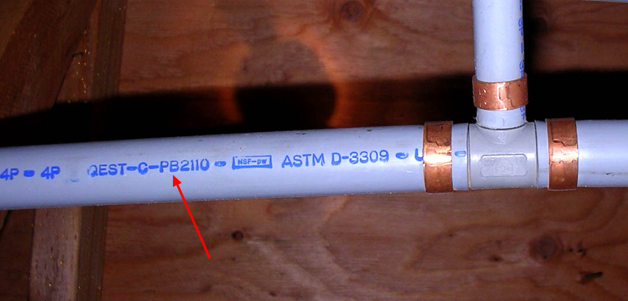
Polybutylene is a flexible plastic pipe that looks similar to PEX, so it can be hard to tell the difference. It ranges from half an inch to 1 inch in size, and it is usually gray in color, though it can be silver, white, black, or blue.
The best way to identify polybutylene is by the lettering on the pipes. The piping will often have lettering along its length, identifying the manufacturer, as well as the pipe type and size. There were three major manufacturers: Shell Chemical Company, Quest, and Vanguard. Quest piping, for instance, was often stamped “Quest” and “PB2110.”
Most polybutylene piping will be hidden behind walls, but it may be visible where it is exposed to connect to sinks, toilets, water heaters, the water meter, or the main water line from the city.
4. What Should I Do if My House Has Polybutylene Pipes?
Polybutylene pipes typically fail within 10 to 15 years, so if you spot any in your home, it is important to have them replaced by a professional plumber as soon as possible. Since the polybutylene piping was discontinued in the mid-1990s, any pipes that are still installed pose a serious risk of failure and water damage, as well as mold growth. Plus, any damage that is done by polybutylene piping is no longer covered by most insurance companies, so it’s important to have it replaced before any problems occur.
If you have just a few polybutylene pipes, individual replacements may be possible, but if most of your piping is polybutylene, a whole-home repiping will be the most reliable long-term solution.
5. What Does Repiping Polybutylene Pipes Involve?
When you call a professional plumbing company to repipe your home, they will:
- Shut off your main water supply
- Cut access points into the walls to reach the polybutylene pipe
- Remove all the old polybutylene pipe and fittings
- Install new high-quality piping, such as PEX
- Test the system for leaks and proper pressure
- Repair any damage caused by accessing the pipes
6. How Long Does Repiping a Home Take?
It will depend on the size of the home and the layout of the pipes. Many homes can be repiped within one to two days, followed by a few more days of work to repair the drywall and repaint the affected areas. Larger homes may take a week or longer.
7. Can I Stay in My Home While It's Being Repiped?
Yes, you can stay in the home while it's being repiped, though the water will be shut off during the day while the plumbers are working. The plumbers can work on one bathroom at a time, so that at night, you will have access to at least one bathroom. It may be more convenient, however, to stay at a hotel or make other arrangements while the new pipes are installed.
Choose Aztec for Whole-Home Repiping in Fort Myers
If you suspect that you have polybutylene piping in your Florida home, don’t risk water damage and structural problems. Call our team at Aztec Plumbing & Drains for whole-home repiping services. We will work quickly to make the process as convenient as possible for your family, without compromising on quality, and we offer excellent financing options to make it easier on your budget. Our company has been serving homeowners in Fort Myers, Cape Coral, Naples, and the surrounding areas since 1991, and we feature top-rated customer service, honest upfront pricing, free estimates, and valuable coupons and discounts.
Call Aztec Plumbing & Drains at (239) 932-2959 today to request your free repiping estimate in the Fort Myers area.
Learn More in Our Repiping Series:
Living in Fort Myers, FL, we are fortunate to enjoy mild winters. However, even in our sunny paradise, freezing temperatures can occasionally catch us off guard. One of the most common plumbing issues during winter is frozen pipes, which can lead to costly repairs and inconveniences. In this blog post, we will provide you with practical tips to keep your pipes from freezing and ensure a stress-free winter season.
1. Insulate Exposed Pipes
Exposed pipes, such as those in unheated areas like garages and crawl spaces, are more susceptible to freezing. To protect them, consider insulating them with pipe insulation or heat tape. These affordable solutions provide an extra layer of insulation, keeping the pipes warm and preventing freezing.
2. Seal Drafts and Cracks
Cold drafts can make their way into your home through cracks and gaps in windows, doors, and walls. By sealing these openings, you not only improve energy efficiency but also reduce the risk of frozen pipes. Inspect your home for any visible cracks or gaps and use caulk or weatherstripping to seal them effectively.
3. Maintain Adequate Heating
During chilly nights, it's tempting to lower the thermostat to save on energy costs. However, keeping your home consistently heated is crucial for preventing frozen pipes. Set your thermostat to a minimum temperature of 55°F (13°C) to ensure that the interior spaces, especially near the plumbing system, remain warm enough to prevent freezing.
4. Let Faucets Drip
When temperatures drop significantly, allowing faucets to drip can help prevent pipes from freezing. The slight flow of water relieves pressure within the pipes, reducing the risk of bursting. Although it may seem counterintuitive to wastewater, the cost of a dripping faucet is significantly lower than repairing a burst pipe.
5. Disconnect and Drain Outdoor Hoses
Before the onset of winter, it's essential to disconnect and drain all outdoor hoses. Water left inside hoses can freeze and expand, causing damage to both the hose and the connected pipes. Store hoses indoors, and if possible, shut off the outdoor water supply to prevent any potential freezing issues.
Contact Aztec Plumbing & Drains For All Your Plumbing Needs
By implementing these practical tips, you can safeguard your plumbing system from the perils of freezing temperatures. Remember to insulate exposed pipes, seal drafts, maintain adequate heating, let faucets drip, and disconnect outdoor hoses. Taking these preventive measures will help you avoid costly repairs and ensure a worry-free winter.
If you require professional assistance or have any plumbing concerns, Aztec Plumbing & Drains is here to help. Our experienced team specializes in winter plumbing maintenance and can provide personalized solutions to keep your pipes from freezing. Contact us today online or at (239) 932-2959 to schedule an appointment or learn more about our services.
Learn More in Our Repiping Series: