Curious about whole house water filter costs? We get it! If you're a homeowner in Florida, you've likely encountered water issues that make you question what’s coming out of your tap. From chlorine taste and sulfur smells to mineral-heavy hard water, Florida water can vary widely depending on where you live. That’s why many homeowners across Naples, Fort Myers, Cape Coral, and Port Charlotte consider investing in a whole-house water filtration system. But how much does it really cost to install one?
The answer depends on several factors, including the type of system you choose, your home’s plumbing, and what water issues you're looking to solve. Here’s what you should know before requesting a water filtration estimate.
Why Florida Homeowners Need Water Filtration
Southwest Florida homes often deal with water challenges that make filtration more than a luxury. It’s a smart investment. Municipal water in cities like Cape Coral or Fort Myers may contain chlorine and sediment, while well water in rural areas can have high sulfur content, bacteria, or heavy minerals.
Common issues in the region include:
- Hard water that causes scale buildup
- Water with unpleasant taste or odor
- Iron staining or sediment in sinks and tubs
- Skin and hair irritation from unfiltered showers
Aztec Plumbing & Drains understands these regional concerns. We’ve worked with homeowners throughout Southwest Florida to install water filtration systems tailored to local conditions.
Average Cost of a Whole House Water Filter in Florida
Whole house water filter pricing in Florida can range broadly. Most systems fall somewhere between $800 and $3,000 or more, depending on your home’s needs and the level of filtration required.
Here’s a general breakdown:
- Basic sediment or carbon filters: Entry-level systems designed to remove chlorine, dirt, and odor typically fall on the lower end of the price range.
- Water softener + filtration combos: Mid-range solutions that remove hardness along with chemical contaminants.
- Advanced reverse osmosis or multi-stage systems: Higher-end installations that address a wider variety of impurities and are often fully customized. (Good to know: reverse osmosis systems are usually installed at a single point - like under a sink - not whole-home, unless it's a commercial-grade or specially configured system. Multi-stage filtration systems are typically used for whole-house setups—not reverse osmosis alone.)
It’s important to keep in mind that these are estimated ranges, and final pricing will depend on the specifics of your property.
Factors That Affect Whole-Home Water Filter Cost
Several factors influence how much your whole home water filtration system will cost:
- Type of system: Sediment filters, carbon filters, water softeners, and reverse osmosis units vary widely in price.
- Home size: Larger homes typically require higher flow rate systems (measured in gallons per minute), which can increase equipment costs.
- Water testing and customization: Tailored systems based on water test results may involve added stages or specialized filters.
- Installation complexity: Homes with limited access to plumbing, slab foundations, or outdated systems may require more labor.
- Maintenance expectations: Some systems need filter changes every few months. Others are low maintenance but cost more upfront.
- Warranties: System warranties may vary by type and can affect overall whole house water filter cost.
Installation Costs in Florida
In Florida, installation costs for water filtration systems vary by home type, location, and labor. On average, Florida homeowners can expect labor to represent a significant portion of the overall cost, particularly for complex installations or retrofits.
Other considerations include:
- Permit requirements: Some municipalities may require a permit for larger installations.
- Indoor vs. outdoor installation: Systems placed outdoors may need weather protection or anchoring.
- Existing plumbing: If your current plumbing is outdated or poorly configured, additional work may be needed.
Aztec Plumbing provides full-service installation and ensures your system meets all relevant plumbing codes in Southwest Florida.
Signs You May Need a Whole House Water Filter
Not sure if you really need a whole house system? These common symptoms may indicate that your home could benefit from one:
- Water that smells like chlorine or rotten eggs
- Cloudy appearance or visible particles in tap water
- Persistent hard water stains on fixtures and glass
- Dry skin or itchy scalp after bathing
- White scale buildup on appliances and faucets
Even if your water looks clean, there could be invisible contaminants affecting your plumbing or health.
Benefits of Installing a Whole House Water Filter
A whole home water filtration system offers several long-term benefits:
- Health and safety: Reduces exposure to chlorine, sediment, and other common contaminants
- Improved water taste and smell: Enhances the quality of drinking and cooking water
- Protects appliances: Prevents scale buildup in water heaters, dishwashers, and laundry machines
- Cost-effective over time: Reduces bottled water use and lowers repair costs from hard water damage
- Eco-friendly: Limits plastic waste and reduces chemical use in your home
Why Choose Aztec Plumbing & Drains for Water Filter Installation
With decades of experience serving Naples, Fort Myers, Cape Coral, and Port Charlotte, Aztec Plumbing & Drains understands Florida water like no one else. We offer:
- Licensed, certified technicians who install systems correctly the first time
- Honest, transparent pricing with no surprise charges
- Flexible financing options to fit your budget
- Outstanding service backed by hundreds of five-star reviews
- Ongoing support for maintenance and filter replacement
Whether you’re dealing with well water or municipal supply issues, we’ll help you find a solution that works.
Request a Free Water Filtration Quote in Southwest Florida
Interested in improving the water quality in your home? Contact Aztec Plumbing & Drains today to request a free water filtration estimate. Our experts serve homeowners throughout Naples, Cape Coral, Fort Myers, and Port Charlotte. We'll assess your water quality, recommend the right system, and provide a clear outline of what to expect. No pressure, no obligation. Schedule today!
A home’s plumbing system is essential for daily comfort, yet many homeowners don’t think about their pipes until problems arise. Aging or deteriorating pipes can lead to costly leaks, water damage, and poor water quality. House repiping is a long-term solution that eliminates recurring plumbing issues, enhances efficiency, and increases the overall value of a home.
At Aztec Plumbing, we specialize in homes throughout Fort Myers, providing professional service and high-quality materials to ensure a reliable and long-lasting plumbing system. Whether you’re dealing with low water pressure, corroded pipes, or frequent leaks, repiping can resolve these issues and improve your home's plumbing performance.
What Is House Repiping?
House repiping is the process of replacing old, failing, or outdated pipes with new, durable materials such as PEX or copper. Over time, pipes can develop corrosion, leaks, and buildup that restrict water flow and compromise water quality. Repiping eliminates these issues by installing a completely new plumbing system, ensuring consistent water pressure, clean water, and fewer repair needs.
Homeowners often need repiping when they experience:
- Frequent pipe leaks or bursts due to corrosion
- Weak or inconsistent water pressure throughout the home
- Discolored or foul-smelling water from rusted or deteriorating pipes
- Aging materials such as galvanized or lead pipes that are no longer up to modern plumbing standards
Key Benefits of Repiping Your Home
Repiping provides several advantages beyond simply preventing leaks. Some of the main benefits include:
- Improved water quality: Eliminates rust, sediment, and chemical leaching from outdated pipes
- Increased water pressure: Prevents clogs and buildup that restrict flow in aging plumbing
- Prevention of costly leaks: Reduces the risk of water damage and mold growth from hidden pipe failures
- Enhanced safety: Protects your home’s structure by preventing pipe bursts
- Environmental benefits: New pipes reduce water waste and support eco-friendly plumbing solutions
- Compatibility with modern systems: Ensures compatibility with high-efficiency water heaters and filtration systems
- Quieter plumbing: Reduces knocking, creaking, or vibrating pipes caused by loose or deteriorating materials
- Temperature stability: Prevents inconsistent hot and cold-water fluctuations throughout the home
Long-Term Cost Savings of Repiping
Many homeowners delay repiping due to upfront costs, but replacing an outdated plumbing system pays off in the long run. Leaky pipes can cause thousands of dollars in water damage, and frequent repairs quickly add up. A whole house repipe eliminates ongoing repair expenses and reduces emergency plumbing costs.
Additionally, newer piping materials are more resistant to wear and corrosion, meaning homeowners spend less on maintenance over time. Some repiping projects may also qualify for tax credits or rebates when using water-efficient materials, further increasing savings.
How Repiping Impacts Home Insurance and Resale Value
Modern plumbing systems add value to a home and can lower insurance premiums. Many insurance companies charge higher rates for homes with aging or failing pipes due to the increased risk of water damage claims. Upgrading to new, high-quality pipes can lead to lower premiums and better coverage options.
For homeowners considering selling, repiping is an attractive feature for buyers. New plumbing increases home value by improving efficiency, reliability, and water quality, all major selling points in today’s real estate market.
Additionally, newer pipes help maintain warranty coverage for water heaters and plumbing fixtures, preventing unexpected expenses down the road.
Common Myths About House Repiping Debunked
There are many misconceptions about repiping that lead homeowners to delay necessary plumbing upgrades. Here are some of the most common myths debunked:
- Myth: Partial repiping is just as effective as full repiping.
- Fact: Mixing old and new pipes can create uneven water pressure, increase the risk of leaks, and lead to premature system failure.
- Myth: Repiping requires tearing up walls and floors.
- Fact: Modern repiping techniques are minimally invasive, often requiring only small access points.
- Myth: Water quality improves instantly after repiping.
- Fact: It may take a few flushes for residual buildup to clear from the system, but water quality will improve shortly after installation.
When Should You Consider Repiping?
Knowing when to repipe can save homeowners from expensive repairs and water damage. Signs that it’s time to replace your home’s plumbing system include:
- Pipes that are more than 40 years old
- Frequent leaks or visible corrosion on exposed pipes
- Low or fluctuating water pressure throughout the home
- Rust-colored or metallic-tasting water
- High water bills due to undetected leaks
If any of these issues sound familiar, scheduling a repiping inspection can help determine the best course of action.
Schedule Your Repiping Consultation Today
If your home’s plumbing is outdated, inefficient, or causing frequent problems, repiping may be the best solution. Aztec Plumbing specializes in whole home repiping, using high-quality materials and modern techniques to ensure long-lasting performance.
Call Aztec Plumbing today at (239) 932-2959 to schedule a consultation and take the first step toward a safer, more efficient plumbing system.
A malfunctioning water heater burner can lead to inconsistent water temperatures, higher energy bills, and even safety risks. Whether it’s a pilot light failure, gas supply problem, or ignition malfunction, diagnosing the issue quickly can prevent further complications.
At Aztec Plumbing & Drains, we specialize in water heater diagnostics and repairs, helping Fort Myers homeowners resolve common burner issues caused by humidity, gas flow interruptions, and mineral buildup. Understanding the warning signs and acting early can keep your water heater running efficiently and extend its lifespan.
Common Signs of Water Heater Burner Malfunctions
Several warning signs indicate a burner problem that needs attention:
- Flickering or yellow flames instead of a steady blue flame suggest improper combustion.
- Unusual hissing or popping noises may indicate gas flow issues or sediment buildup.
- Inconsistent hot water or sudden temperature drops often result from an irregular burner function.
- Soot buildup around the burner can signal incomplete combustion or ventilation issues.
- Frequent burner shutdowns or failure to ignite could mean a gas supply or ignition control issue.
Pilot Light Failures: Causes and Solutions
A pilot light that won’t stay lit is one of the most common water heater burner problems. This issue can stem from a worn-out thermocouple that shuts off the gas supply, preventing the pilot light from staying lit. Gas supply interruptions, such as drafts, debris, or low gas pressure, can cause an unstable flame. Blockages in the pilot orifice from dirt and dust buildup can restrict gas flow.
Troubleshooting tip: Try relighting the pilot light following manufacturer instructions. If it won’t stay lit, test the thermocouple by holding the pilot knob down for 30 to 60 seconds. If the flame goes out when released, the thermocouple may need replacement.
Burner Ignition Problems: Electrical and Gas-Related Culprits
If the burner won’t ignite, the issue may be gas or electrical in nature. Faulty gas valves can restrict fuel flow, preventing ignition. Blocked gas lines caused by dirt or moisture can disrupt operation. Wiring issues or ignition control failures can impact electronic ignition models. Frequent power outages can cause electronic ignition systems to reset or fail.
If the issue persists, gas water heater troubleshooting should include checking gas pressure levels and ensuring proper electrical connections to the igniter.
Gas Supply Interruptions and Environmental Influences
Certain environmental factors can affect burner performance. Altitude changes can impact the air-to-gas ratio, requiring adjustments. Humidity-related condensation can cause gas line corrosion or pilot instability. Gas pressure fluctuations from municipal supply issues can lead to burner inconsistencies.
For accurate diagnosis, a manometer test can measure gas pressure and identify potential supply issues.
Thermocouple Malfunctions and Replacement Considerations
A failing thermocouple is one of the most common causes of burner issues. Symptoms include a pilot light that won’t stay lit even after relighting and a gas supply that is active, but the burner doesn’t ignite.
When replacing a thermocouple, consider OEM versus aftermarket parts since manufacturer-approved thermocouples ensure proper compatibility. The installation process involves turning off the gas, removing the faulty thermocouple, installing a new one, and testing the flame stability.
Blockages: Burner, Ventilation, and Flame Arrestor Issues
Blockages can disrupt the burner’s function and cause safety hazards. Debris or corrosion in burner ports can restrict gas flow. Ventilation issues can lead to excess carbon monoxide buildup. Flame arrestor blockages from lint or dust can trigger automatic shutoffs.
Regular cleaning of burner assemblies, vents, and air intake screens prevents these issues.
Maintenance Procedures to Prevent Burner Failures
Routine maintenance can help homeowners avoid costly repairs and extend the lifespan of their water heater. Key maintenance steps include annual burner inspections to check for misalignment, corrosion, or wear, cleaning the pilot assembly and nozzles to ensure unobstructed gas flow, checking air intake screens and flue pathways to prevent ventilation issues, and testing gas connections to ensure safe operation.
DIY Repairs vs. Professional Intervention
Some burner issues can be resolved at home, while others require a licensed professional.
DIY troubleshooting:
- Relighting a pilot light
- Cleaning minor burner blockages
- Resetting an electronic ignition system
Call a professional for:
- Gas leaks or suspected valve failures
- Persistent ignition or burner flame issues
- Electrical malfunctions in ignition control systems
- Any repair that may void manufacturer warranties or violate building codes
- Safety is critical. Using carbon monoxide detectors near gas appliances adds an extra layer of protection.
Schedule Your Water Heater Service Today
If your water heater burner isn’t working properly, don’t wait for the problem to escalate. Whether it’s an ignition failure, gas supply issue, or thermocouple malfunction, Aztec Plumbing’s experienced team is ready to help with all of your water heater services.
Call Aztec Plumbing at (239) 932-2959 today to schedule a burner inspection and restore reliable hot water to your home.
A water heater that won’t fill up can leave you with an unexpected cold shower and a frustrating plumbing issue. At Aztec Plumbing, we’ve been providing trusted water heater solutions in Fort Myers for years, tackling common issues like sediment buildup, faulty valves, and hard water blockages. Our expert plumbers diagnose and resolve these problems efficiently, ensuring your system operates at peak performance.
Common Causes of a Water Heater Not Filling
Several issues can prevent a water heater from filling properly, ranging from minor blockages to more serious component failures. Some of the most common causes include:
- Closed or partially closed water supply valve: Water may be restricted from entering the tank.
- Faulty temperature and pressure relief (T&P) valve: A malfunctioning valve can block water flow.
- Sediment buildup: Minerals inside the tank clog internal components, reducing water flow.
- Airlocks in the plumbing system: Trapped air prevents proper water distribution.
- Leaking or cracked dip tube: This misdirects incoming water, affecting how the tank fills.
- Clogged inlet screen or filter: Debris can accumulate and restrict water intake.
- Frozen pipes: Though uncommon in Florida, frozen pipes can stop water from reaching the tank.
- Hard water deposits: Mineral buildup accelerates blockages, reducing system efficiency.
How to Troubleshoot Water Heater Filling Issues
If your water heater isn’t filling properly, here are a few key steps to help diagnose the issue:
- Check the water supply valves: Ensure the main water supply and the heater’s shut-off valve are fully open.
- Test home water pressure: Use a pressure gauge on an outdoor hose bib to see if low pressure is affecting your plumbing system.
- Inspect the inlet screen: Mineral deposits or debris could be blocking water intake.
- Listen for unusual sounds: Knocking or gurgling noises may indicate trapped air.
- Check other fixtures: If multiple faucets have low pressure, the issue may not be isolated to the water heater.
- Know your system type: Tank water heaters often experience sediment buildup, while tankless models may suffer from inlet filter clogs or gas flow issues.
Fixing a Water Heater That Won’t Fill
Once the issue is identified, there are several ways to restore proper function:
- Open all water supply valves to ensure proper water flow.
- Clear airlocks by running multiple hot water taps or using a hose bib to release trapped air.
- Flush the tank to remove sediment that may be causing blockages.
- Thaw frozen pipes carefully with a heating pad or hairdryer if needed.
- Clean clogged inlet screens using vinegar or a soft brush.
- Replace a faulty T&P valve to allow water to enter the tank properly.
- Install a water softener to prevent mineral buildup from hard water.
Safety Precautions Before DIY Repairs
Before attempting any repairs, follow these essential safety precautions:
- Turn off the gas or electricity to the heater before working on the unit.
- Relieve tank pressure using the T&P valve before draining.
- Avoid direct contact with hot water or steam to prevent burns.
- Use insulated gloves and goggles when handling gas components or electrical connections.
For more DIY tips see our Plumbing DIY Do's and Don'ts.
When to Call a Professional Plumber
While some water heater issues can be fixed with simple DIY solutions, others require professional attention. Consider calling a plumber if you experience:
- Major leaks or visible damage to the tank.
- Persistent airlocks or valve malfunctions that don’t resolve.
- Complex repairs such as dip tube or pressure regulator replacements.
- Concerns about voiding the manufacturer’s warranty with DIY repairs. Suspected hidden leaks in the plumbing system.
A professional plumber can diagnose and fix issues quickly, preventing further damage and ensuring the longevity of your water heater.
Preventing Future Water Heater Issues
Regular maintenance helps homeowners avoid common water heater problems and keep their system running efficiently. Consider these preventative measures:
- Flush the tank annually to remove sediment buildup.
- Inspect shut-off valves, inlet screens, and plumbing connections at least once a year.
- Test home water pressure regularly to ensure it stays within the recommended range.
- Install a water softener or use descaling treatments to reduce mineral buildup.
- Insulate exposed pipes in colder climates to prevent freezing.
- By keeping up with routine maintenance, you can improve your water heater’s efficiency and reduce the risk of unexpected breakdowns.
Schedule Your Water Heater Service Today
If your water heater isn’t filling properly, don’t wait for the problem to get worse. Whether it’s a simple fix or a sign of a bigger issue, Aztec Plumbing’s expert team is here to help. Our experienced plumbers provide fast, reliable water heater diagnostics and repairs, ensuring you have a steady supply of hot water when you need it most.
Call Aztec Plumbing & Drains today at (239) 932-2959 to schedule your water heater service and get your system back in top condition!
Having access to healthy and clean drinking water is essential for the well-being of you and your family. However, it can be challenging to determine if the water in your home is truly safe to consume. In this blog post, we will discuss four signs indicating healthy drinking water in your home. By understanding these signs, you can ensure the well-being of your loved ones and make informed decisions about your water supply.
Signs You Have Clean Drinking Water
Clear and Odorless Water
One of the most apparent signs of healthy drinking water is its clarity and lack of odor. If your tap water is clear and has no strange smells, it is likely safe to consume. However, it's important to note that some minerals, such as iron or sulfur, can cause a slight odor or discoloration. If you notice any significant changes in color or smell, it is recommended to have your water tested.
Adequate Water Pressure
Another sign of healthy drinking water is adequate water pressure throughout your home. If you consistently experience low water pressure or sudden pressure drops, it may indicate issues with your plumbing system. Low water pressure can lead to bacterial growth and contamination, compromising the quality of your drinking water. If you encounter such problems, it is crucial to contact a professional plumber to assess and resolve the issue promptly.
Regular Water Testing
Regular water testing is vital to ensure the ongoing safety of your drinking water. While the Environmental Protection Agency (EPA) sets regulations for public water sources, private wells and plumbing systems are not subject to the same scrutiny. To ensure your water is safe, consider conducting annual water tests for contaminants such as bacteria, lead, pesticides, and nitrates. Our professional plumbing services at Aztec Plumbing & Drains offer comprehensive water testing services to help you identify any potential issues.
Proper Plumbing Maintenance
Maintaining your plumbing system is crucial for ensuring healthy drinking water. Regular inspection and maintenance of your pipes, faucets, and water treatment systems can prevent leaks, corrosion, and contamination.
Additionally, cleaning and replacing filters in water treatment systems, such as reverse osmosis or carbon filters, are essential to maintain water quality.
Contact Aztec Plumbing & Drains To Speak to Our Water Quality Experts
Healthy drinking water in your home is a fundamental aspect of maintaining your family's well-being. By keeping an eye out for clear and odorless water, ensuring adequate water pressure, conducting regular water testing, and maintaining your plumbing system, you can have peace of mind knowing that your water is safe to consume.
If you have any concerns about your water quality or require professional plumbing services, don't hesitate to contact Aztec Plumbing & Drains at (239) 932-2959. We are committed to providing reliable and efficient solutions for all your plumbing needs.
Learn More About Your Home Water:
Are you tired of skyrocketing water bills? Is your water usage getting out of control? At Aztec Plumbing & Drains, we understand the importance of conserving water and saving money. This blog post will share practical tips on how to reduce water usage and lower your water bill. By implementing these tips, you can positively impact the environment while saving money on your monthly water expenses.
Fix Leaky Faucets and Pipes
Leaky faucets and pipes are annoying and contribute to significant water wastage. A dripping faucet can waste hundreds of gallons of water each month. Inspect your faucets and pipes regularly and promptly fix any leaks. This simple step can help you save substantial water and reduce your bill.
Install Water-Efficient Fixtures
Upgrading to water-efficient fixtures is a wise investment that can significantly reduce your water consumption. Replace old toilets, showerheads, and faucets with low-flow alternatives. These fixtures are designed to use less water without compromising performance. By making this switch, you can save thousands of gallons of water each year.
Optimize Toilet Flushing
Toilets are one of the biggest water consumers in a household. To optimize flushing, consider placing a water displacement device, such as a brick or a filled water bottle, in the toilet tank. This will reduce the amount of water used per flush without affecting its efficiency. Additionally, teach your family members to avoid using the toilet as a trash can, as unnecessary flushing wastes water.
Also, this one is controversial, but there’s real truth in the “yellow, let it mellow” maxim. We did a poll on this and found that 75% of respondents are committed flushers.
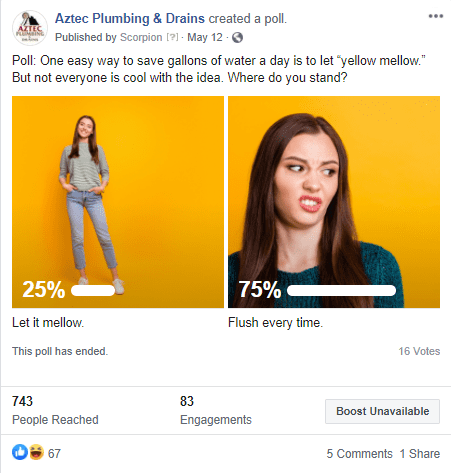
Modern toilets use 1.6 gallons per flush -- older toilets significantly more. Flushing every other pee can yield serious water savings if you can tolerate leaving a little yellow in the bowl.
Use Efficient Irrigation Techniques
If you have a garden or lawn, efficient irrigation techniques can help minimize water usage. Consider installing a drip irrigation system that delivers water directly to the roots of your plants, reducing evaporation. Set up a watering schedule that aligns with the needs of your plants and avoid overwatering. Mulching can also help retain moisture in the soil, reducing the need for frequent watering.
Capture and Reuse Rainwater
Take advantage of nature's gift by capturing and reusing rainwater. Install a rain barrel or a larger rainwater harvesting system to collect rainwater from your roof. Use this water for outdoor tasks such as watering plants, cleaning your car, or washing outdoor surfaces. By utilizing rainwater, you can reduce your reliance on treated water and lower your bill.
Time Your Showers
Long showers can quickly add up to a significant amount of water consumption. Encourage your family members to take shorter showers by setting a timer or using a water-saving showerhead. You can save gallons of water each day by reducing shower time by just a few minutes.
Not Waiting for Cool Water From the Tap
Of course, no one wants to drink warm water, but that’s what you’ll get if you immediately fill a glass from the tap. That’s why we wait for the faucet to discharge water that’s been sitting in a hot pipe. The hotter it is outside, the warmer the initial stream will be.
But waiting only 30 seconds for colder water can easily waste a gallon. Do this several times a day, and you begin to see the problem.
The solution: Keep a large container of water in the fridge.
Use Dishwasher Instead of Washing Dishes By Hand
Sometimes it’s just easier to wash dishes by hand. Scrub em’, rinse em,’ put em’ in the dryer rack after each meal. You might even think you’re saving water this way, but you’d be surprised to learn that an Energy Star-certified dishwasher uses as little as three gallons per load. Hand washing a whole load, in contrast, can use more than 20 gallons. Put down your sponge and put your dishwasher to work.
Leaving On the Faucet While Brushing Your Teeth and Shaving
The American Dental Association recommends brushing your teeth for 2 minutes twice a day. Faucets installed before 1994 used up more than 2 gallons per minute. Simple math: Brushing your teeth two times a day for 2 minutes sends 8 gallons down the drain if you have an outdated faucet.
The same holds true for shaving. The more water-wise approach is to fill the sink basin part of the way, giving you just enough to swirl your razor in. Better yet, shave in the shower or go electric.
Regularly Maintain Your Plumbing System
Regular plumbing system maintenance is crucial to prevent leaks, identify inefficiencies, and optimize water usage. Schedule professional inspections to detect hidden leaks or issues that may be wasting water. Additionally, insulate your pipes to prevent heat loss, which can lead to higher water usage.
Implementing these seven practical tips can make a substantial difference in reducing your water usage and lowering your bill. By taking proactive steps to conserve water, you contribute to a sustainable future and save money in the process.
Curbing behavioral waste is one way to shrink your water consumption. Another way is to halt structural waste. Structural waste occurs when outdated plumbing fixtures use more water than necessary.
Aztec Plumbing & Drains is committed to helping our customers achieve water efficiency. Contact us online today or call us at (239) 932-2959 to learn more about our services and how we can assist you in reducing your water usage and saving money.
Learn More About Your Home Water:
Finding the Right Levels
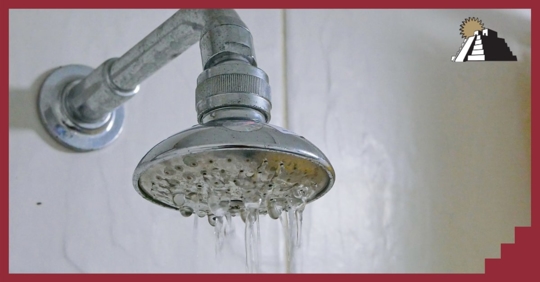
No one likes low water pressure. As soon as it releases from the faucet or shower, it’s underwhelming and disappointing. Not only is it unpleasant, but it can take forever to fill a pitcher, a cup, or an entire bathtub.
Here’s how to get the right average water pressure level and what to do if your pressure drops.
Why Water Pressure Drops
Whether you’ve noticed a drop in water pressure over time or suddenly, there are several factors at play.
If your whole home is receiving inadequate water pressure, then it may be a localized problem. The ideal water pressure is somewhere between 40 and 60 PSI. This is controlled by the pressure-reducing valve. You can test your water pressure using a water pressure regulator, which you can find at a hardware store for pretty cheap. Hook it up to a hose bib and open the valve to see the rating.
Pressure also depends on use. If you’re running the dishwasher, taking a shower, and watering the lawn all at the same time, it will overwork your water supply, causing pressure to drop.
How to Find the Right Pressure
As we said previously, the typical pressure range is between 40 and 60 PSI, or pounds per square inch. If you’re looking to adjust the pressure it’s likely because you’re unhappy with how it comes out now.
You can do this two ways:
Set the pressure to 50 PSI, right in the middle of the acceptable range. From there, you can adjust up or down based on how you feel with it being at 50.
Or, measure what the current pressure is and adjust it slightly to fit your needs. If you’re not totally happy with the current pressure, you can just move it a few PSI up or down to find the right level.
Your Fort Myers Water Experts
For all your water needs, go with the team at Aztec Plumbing & Drains. Our experts are only a phone call away! (239) 932-2959
Learn More About Your Home Water:
What to Do About Low Water Pressure
Do you ever turn on your sink or shower and find the water to be barely flowing out? This could mean you have low water pressure. Low water pressure could be an easy fix or it could mean a much larger and extensive problem. That is why, regardless, it is important to get these issues immediately resolved. Even though the problem of low water pressure is visible, the cause of it could be a multitude of issues.
Here are the most common issues:
- A leak in your plumbing system
- Water valves
- Mineral deposit buildup
- Particles in your water
- Clogged pipes
It is important when discovering low water pressure to explore all options when finding a solution considering low water pressure could be an easy fix or a very extensive one.
First, determine if the low water pressure in your home is only flowing from one location or are all water fixtures in your home having low water pressure. This could determine if it is the plumbing fixture itself causing the low water pressure. If it is just the one plumbing fixture, this could point to either a clogged fixture or you may need to replace the aerator. If this is the case, you will need to remove your faucet and clean the aerator and make sure it is free of debris and buildup. Once cleaned and put back together, check if the water is flowing correctly, if not, then this means your home has an overall plumbing issue.
If you have tested for a singular location and came up negative, your next move should to be to check the following:
- Check to see if low water pressure is only occurring when you are drawing warm water. If this is the case, the issue may be your water heater.
- Shut off valves can also be an issue. Check to make sure your shut off valve is not closed. Sometimes the valves can loosen making the water pressure not as strong.
- If you have not flushed your water heater recently, you may have mineral deposit build up that needs to be flushed out. Our blog The Importance of Annually Flushing Your Water Heater explains why this is important.
- Check your pipes! if you have old cast iron pipes, you may need to descale them. The buildup in these pipes can block flow of water leaving you with low water pressure. Our blog What You Need to Know About Descaling Sewer Lines explains in further detail.
- Lastly, check for leaks. Leaks can mean a major problem in your plumbing lines and you will need to call a professional to solve this issue. It is best when discovering a leak to then turn off your water valve until a professional is present to make sure there is no further damage to your home or plumbing system.
Call Aztec Plumbing & Drains when this problem occurs, do not try to fix this issue yourself as it could result in even more damage than before. Our highly trained and licensed plumbers at Aztec Plumbing Inc. have got you covered from A to Z!
Learn More About Your Home Water:
A common issue that we see in Southwest Florida is that persistent rotten egg smell from city water fed housing. That rotten egg smell you are smelling, is actually sulfur, and it’s something that filters and whole house reverse osmosis units cannot, and do not correct. This issue is something that can be corrected through a fairly simple process. A savvy DIYer can perform these steps below to help remedy the situation, however we always suggest having a licensed Fort Myers plumber perform plumbing fixes in case an emergency does arise.
1) Turn off water to the home at outside shut off valve.
2) Turn off electricity to the water heater at the breaker panel and drain the water heater half way.
3) Using a wrench remove the temperature and pressure relief valve from the top or side of the heater.
4) Using a funnel pour 1quart of chlorine bleach into the heater and (using Teflon pipe dope or Teflon tape) reinstall the relief valve.
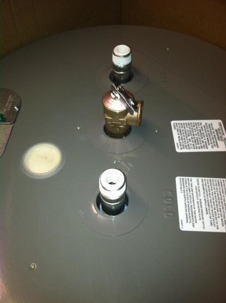
5) Turn water back on to the house and bleed air out of all faucets until bleach/water solution starts then shut off fixtures.
6) Wait 2hrs then flush all lines thoroughly until all smell of chlorine bleach is gone.
7) Make sure to run washing machine machine at least 2 times before doing laundry (except for whites of course)
If, during the course of these steps any of the following happen you should call a service professional out to complete the flush:
1) Water to home does not shut off
2) Temperature or pressure relief valve is stuck
3) Leak or drips on threads after re-pressuring the house
4) Water does not turn back on at main shut off valve
Again, for the most part this is an issue a savvy DIY’er can handle fairly easily however if they run into any problems or they are unsure of any of the steps please contact your Fort Myers’ plumber right away.
Learn More About Your Home Water: