If you’ve ever heard of the process of “repiping,” you may have thought it was a daunting and challenging task. But don’t worry! Repiping is a relatively simple process that can help protect your home from water damage, provide better water pressure and temperature, and give you peace of mind. In this blog post, we’ll walk through the entire repiping process so you can understand what it takes to get your pipes fixed up and ready for use!
A Step-By-Step Guide to Repiping Your Home
Step 1: Assess the Damage
First and foremost, the plumbing experts will assess the damage to your existing piping system to ensure your home needs new pipes. This means looking for any signs of corrosion, leaks, or other damage. Repiping is likely a good long-term solution if your pipes are old or damaged.
Step 2: Choose Your Material
Once you have decided that repiping is necessary, it is time to choose the material for your new pipes. The two most common materials are copper and PEX (crosslinked polyethylene). Both materials have different advantages and disadvantages; therefore, it is essential to research each one thoroughly before deciding. Generally speaking, copper is more expensive but lasts longer, while PEX is cheaper and easier to install but may need to be replaced more often.
Step 3: Start the Installation Process
The repiping process typically takes two days to complete. On day one, all existing water lines are removed, and new lines are installed. Day two consists of testing the new lines for leaks and making sure they are working properly before turning them on for use. During both days of the process, there must be no running water or electricity in the area being worked on for safety reasons. Additionally, any furniture or belongings should be moved out of the way so that nothing gets damaged during installation.
Benefits of A Whole-Home Repipe
When done correctly, whole-home repiping offers several benefits, including:
- Increased water pressure
- Temperature control
- Improved air quality throughout your home due to fewer contaminants entering outdated pipes.
- Prevent future problems like leaks and clogs.
- Less energy is wasted due to low flow rates associated with corroded piping.
Your Plumbing Experts
If your home requires new pipes, Aztec Plumbing & Drains is here to help! Our highly trained plumbers have the knowledge and skill to install your new pipes properly and have your home running smoothly in no time. Contact us online or give us a call at (239) 932-2959!
Schedule Online
Learn More in Our Repiping Series:
Do you keep experiencing plumbing problems in your home? Are your pipes constantly clogging up, no matter what you do? If so, you're not alone. Many homeowners struggle with this same issue.
This blog post will discuss some of the possible reasons why your pipes keep clogging. We'll also offer some tips on preventing this from happening in the future.
Deeper Drain Issues
So, why do pipes keep clogging? One possible reason is that there is an issue with your drainage system. If the pipes in your home are old or damaged, they may be more likely to become clogged. Over time, soap scum, hair, grease, and other debris can build up in your pipes. This can eventually lead to a complete blockage.
Additionally, tree roots can sometimes grow into and block your pipes. If you think there may be an issue with your drainage system, it's best to call a professional for help.
Fix Your Drain Habits
Of course, it's also possible that the issue is with your drain habits. If you're constantly putting things down the drain that shouldn't be there, it's no wonder your pipes are always clogging! For example, if you pour grease down the drain, it will eventually harden and cause a blockage.
You should also avoid putting coffee grounds, eggshells, or fruit peels down the drain. These items can also cause clogs.
Use Drain Strainers
If you're still having trouble with clogged pipes, you may want to try using drain strainers. These devices can catch hair, food, and other items that could cause a clog.
Tough Clog? We Can Help
If you're having trouble with clogged pipes, don't worry - we can help! Our team of experts at Aztec Plumbing & Drains is here to provide solutions that will prevent this from happening in the future. We offer a variety of services, including drain cleaning and pipe repair. So, if you're ready to say goodbye to those pesky plumbing problems, schedule online or give us a call today at (239) 932-2959.
Schedule Online
Learn More in Our Repiping Series:
Protect Your Pipes
An important part of being a homeowner is taking care of your plumbing system. Even if you get a great water heater and regularly service your sewer or septic systems, you also need to maintain the elements that bring it all together: your pipes.
Your pipes need care in order to work properly – that includes preventing leaks and deterioration. Here are some tips to keep your pipes in top working order.
Keeping Drains Clean
What you put down the drain has a direct impact on the longevity and stability of your pipes. Don’t pour harmful chemicals, cooking grease, or even chemical drain cleaners down the drain, as they can corrode your pipes.
Also, don’t put things down your drain that are likely to cause clogs. This includes:
- Coffee grounds
- Rice
- Pasta
- Meat
- Oil
- Paper products
- Hair
Using a drain catcher will help keep out foods that come off when you clean your dishes. And if you do develop a clog, make sure to have it removed as soon as possible to prevent a larger issue.
Using the Right Pipes
You need the right material to have safe and effective pipelines. Many homes use copper pipes, but these are vulnerable to corrosion. The better option is PEX pipes, the new standard for plumbing pipes in modern homes.
PEX pipes can last for half a century and are very resistant to corrosion. This makes them the superior choice to copper and other metals like iron or steel. Your home may also have a piping material called polybutylene. This material was used in the late 20th century on many homes but has since been found to be ineffective. Some insurance companies won’t insure your home if it has polybutylene pipes, so a repiping may be necessary.
Your Plumbing & Piping Partner
If you need help reclaiming the health of your pipes, turn to the professionals at Aztec Plumbing & Drains. Contact us for more information on installing the right pipe material in your home.
Learn More in Our Repiping Series:
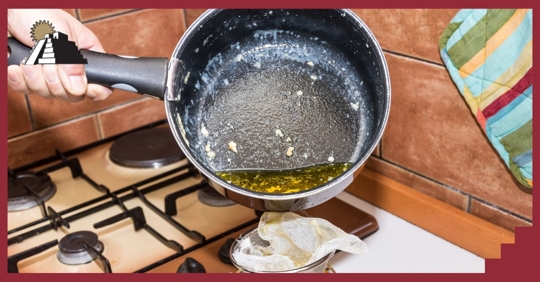
Don’t Drain Grease
One of the most important preventative measures for your drains is to avoid dumping grease down them. While it may seem logical (grease and oils are liquid), grease is much different than water and can actually do significant damage to your pipes.
It doesn’t only threaten your pipes, but grease and oil can cause major clogs. Even if not right under your sink, grease can cause problems deeper in your sewer line.
What to Do With Cooking Oil
Whether you’re frying chicken or potatoes, you’ll likely have a lot of oil leftover when you’re done. There are several ways to consider how you dispose of grease.
Is it hot?
You need to be extremely careful with hot grease or oil, which can be upwards of 300 degrees if you just finished cooking. If you can, leave the oil in the pot or pan for a while to cool down, then dispose of it in a solid waste container. If you need to dispose of hot oil, pour it carefully into a metal container. Glass or plastic containers could melt or crack from extreme temperatures.
Is it Reusable?
You can actually reuse neutral cooking oils and bacon grease. After cooking, collect the grease in a safe container and store it at room temperature. Oil won’t solidify, but bacon grease and other fats will if chilled. (This is another reason why you shouldn’t put them down the drain.)
Reusing grease and oil not only saves you money but reduces waste!
The Best Option
When you’re done with oil or grease and need to get rid of it, you should throw the container in which you collected it in the trash. Make sure the container is closed, so the oil doesn’t spill. Also, make sure the oil is completely cool, so the garbage bag doesn’t melt.
Your Drain Cleaning Experts
When your drain starts to give you trouble, turn to the team at Aztec Plumbing & Drains. Contact us today at (239) 932-2959 to solve your drain problems!
Learn More in Our Repiping Series:
Like most things in your home, your pipes won't last forever. And when they decide to give up, they can wreak havoc on a number of different areas -- namely, things you might not even be able to see due to the fact that they're situated behind walls or within the floors or ceilings. But if you’re smart, you’ll replace your piping before they corrode and burst, which can save you thousands upon thousands of dollars in structural repairs as well as plumbing and other home service costs. See below to find out what you should be on the lookout for that might indicate it's time to replace your pipes.
Not sure of the status of your piping? Well, some signs that your Florida home needs a repipe include:
1. Frequent pipe leaks
2. Your home is over 40 years old
3. Pipes show visible signs of corrosion
4. Rust-colored water from your water appliances
5. You have polybutylene pipes
Sign 1: Frequent Pipe Leaks
The most obvious sign that your pipes are rusting through and need to be replaced is recurring pipe leaks. So how many leaks are too many? Well, there’s no exact science but if you get 3 or more leaks in less than 6 months, your pipes most likely need to be replaced. Plus, just think about all the money you're spending on unnecessary plumbing repairs.
While leaks will sometimes stare you right in the face, other times, it's not that obvious. Here are a few of the signs that may not be as easy as spotting a puddle on the floor or water trickling down from the ceiling:
- Low water pressure
- Higher-than-normal water bills with no noticeable change in water usage
- Mold and mildew (smell or visible signs)
One way to test for any leaks in your plumbing is to turn off all water appliances in the house and outdoors (sprinklers, hoses, etc.). Then locate and watch the numbers on your home’s water meter. If the numbers go up after 20-30 minutes, you have a leak. And the faster those numbers go up, the larger the leak.
Copping Piping in Florida Homes
Copper piping in the Florida area is especially vulnerable to recurring pinhole leaks (corrosion that breaks through the surface of piping), so keep an eye out for bluish-greenish corrosion on copper piping.
Sign 2: Your Home Is Over 40 Years Old
If your home was built over 40 years ago, there’s a good chance that your home’s pipes (except for PVC piping) have started corroding. In Florida, the rule-of-thumb for the lifespan of various piping is:
- Brass: 40-70 years
- Galvanized steel: 20-50 years
- Cast iron: 25-30 years
- Copper: 10-20 years
- PVC: indefinitely
Sign 3: Visible Signs Of Corrosion
If you notice widespread signs of corrosion on your home’s piping, you probably need to think about repiping your home. Check exposed piping for visible signs of corrosion, which include:
- Bluish-greenish tinting (on copper piping)
- Rust colored powder or marking
- Discolorations of any kind
- Flaking
- Dimpling
Sign 4: Rust-Colored Water
Have steel or iron piping and notice rust-colored water coming from your water appliances? This is a good indication that your pipes might be rusting from the inside and therefore, need to be replaced. Keep in mind that if the rust-colored water only comes with hot water, the cause could be a rusted out water heater—not your home’s piping.
If you see rust only in your hot water, then check the status of your water heater’s anode rod. You may need a professional to do this if you’ve never done this on your own. If the anode rod is rusted out, the rust is most likely coming from the inside of your water heater. Replace your water heater as soon as possible if this is the case. On the other hand, if you see rust from both your hot and cold water taps, you most likely have corroded piping.
To determine whether the rust is coming from your home or the municipal water supply, get a professional to inspect your home’s plumbing.
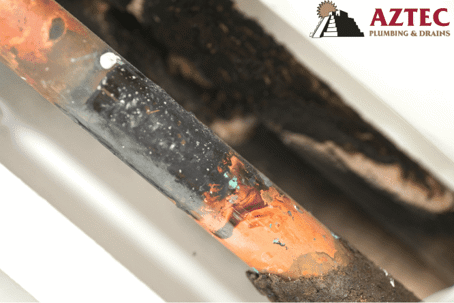
The inside of a severely corroded pipe that produces rust-colored water.
Sign 5: You Have Polybutylene Pipes
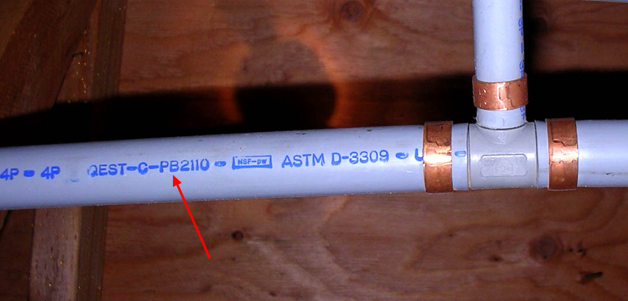
Polybutylene is an inexpensive, flexible plastic that was used for residential piping from 1978 to 1995. The problem is, it’s extremely vulnerable to rupturing (which ultimately led to a Class Action settlement), and therefore, is no longer accepted by U.S. building codes.
How to tell if you have polybutylene pipes: If your pipes are white plastic and include the letters “PB” in the printed label, you have polybutylene pipes and we suggest having them replaced right away.
Repiping Services in Fort Myers
Do you see some of these signs but want a professional’s opinion on whether you should repipe your home? Already know you need to repipe your Florida home and need a professional estimate? Contact Aztec Plumbing & Drains. We’ll send over a professional plumber ASAP to take a look at your plumbing and devise an effective and efficient plan to go out with the old and in with the new!
Learn More in Our Repiping Series:

From about the late 1970s through the early 1990s, millions of homes across the country were constructed with polybutylene piping, one of many new building materials that were lighter, cheaper, and easier to produce than traditional metal materials. However, as these piping systems began to age, their reliability became questionable. Despite the manufacturer, Quest, staunchly arguing that studies done on these pipes do not prove they are dangerous and continually refuting claims of liability, their elevated failure rate led to the material being recalled. Today, class-action suits from homeowners who have suffered tremendous damage from these pipes are still continuing.
Since these pipes were largely utilized across the “sun belt” states, of which Florida is a part, it’s not uncommon for homes built between 1978 and 1995 to still have a polybutylene piping system. While many homeowners have undertaken the project of repiping their home for better reliability and security, there are plenty of homes still out there even today that have continued to use these pipes for upwards of 25 to 40 years or more. So if you’re considering buying a house in the Fort Myers area and find that the home still relies on polybutylene piping, you may have some doubts as to whether or not you should make the purchase.
Will My Pipes Fail?
First things first, it’s extremely important that we put something out there: there is no guarantee that Quest polybutylene pipes will fail. While studies have shown at least some small amount of a causal link to polybutylene plumbing being risky, the truth of the matter is that any material can fail. Even modern plastics, copper, galvanized steel, and other materials that have long been utilized for their durability and longevity will eventually wear out with continual exposure to water. Quest piping has simply been shown to fail at a higher rate than many other materials.
In fact, studies have even suggested that the reason for polybutylene pipe failure is similar to the reason why your copper galvanized steel pipes will eventually fail—substances commonly found in public water supplies like chlorine would react with the material in polybutylene pipes, causing them to flake and scale. This caused the pipes to become brittle, resulting in microfractures that could create everything from pin-hole leaks to complete pipe failures without warning.
Should I Buy a House With Polybutylene Pipes?
Polybutylene piping should not dissuade you from making a purchase on your dream home, particularly if you’re in love with just about everything else about it. However, you should absolutely take a few extra precautionary steps before making any deal.
- First, hire a licensed and experienced plumber to inspect the home and determine the health of the plumbing system. This is a good idea in general, but critical if you have polybutylene plumbing because you want to be sure there are no potential or imminent serious issues.
- Second, you’ll want to review your homeowners’ insurance policy to ensure you’re protected. This is important: some homeowners’ insurance companies will not insure homes with polybutylene piping against flood damage caused by plumbing failures. Because these businesses are all about reducing risk, any known risk factors will usually not be covered.
- Finally, you may want to consider talking with the sellers of the home and working repiping the home into the deal somewhere. You may be able to split the cost with them, or you may even be willing to pay for the cost of the service in order to have them do it before the deal closes. In any case, having a repipe service done before you close the sale and move in is significantly easier than trying to repipe your home after you’ve moved in with all your belongings.
Interested in replacing your Quest polybutylene piping? Call Aztec Plumbing & Drains at (239) 932-2959 today to request a whole-home repipe consultation.
Learn More in Our Repiping Series:
Over the years, the preferred material that pipes are constructed with has changed significantly. During the 1980s, a new plumbing material known as “polybutylene” was introduced and took the market by storm.
Also known as Polybutylene or “Quest” piping, this type of plastic plumbing line was both inexpensive and easy to install in addition to extremely durable, making a popular choice for builders. It remained a common material all the way up through the mid-1990s. If your home was built during this period, there’s a good chance you may still have some of this plumbing running through your walls.
If you own one of these homes, you should consider replacing your plumbing as soon as possible. While the evidence hasn’t definitively proved the problem, it’s widely believed that the inner walls of these plumbing lines became brittle and flaky because of oxidants in the water.
Over time, the flaking resulted in weak points, which created micro-fractures, leaks, and the possibility for bursting under high pressure.
Today, many home insurance companies won’t even cover homes that have these plumbing lines running in the walls, or at the least won’t offer coverage for damage from water line bursting.
Do I Have Polybutylene (Quest) Plumbing?
The first way to figure out if you have Polybutylene (Quest) plumbing lines is to consider the usage timeline. Polybutylene (Quest) plumbing first started being used in the late 1970s, and was most popular through the 80s and early 90s, all the way up through 1995.
It was immensely common in the Sun Belt region, which means many homes throughout South Florida which were built during these years probably have these pipes. Likewise, if your home is older but was re-piped during these years, then there’s a chance you may have these plumbing lines installed as well.
Identifying Polybutylene (Quest) plumbing pipes is actually fairly simple. Polybutylene pipes come in one of three colors: black, blue, or gray, with grey being by far the most common. The easiest places to check are where your main water line enters your home, and where the water line is connected to your water meter.
If you don’t have any exposed lines in your home, there are other ways to tell. First, take a look at where your fixtures connect to your plumbing, such as your toilets, washing machine, or water heater.
If you have gray plastic sticking out from your wall, then you most likely have Polybutylene (Quest) plumbing lines. In some areas of the country, plumbers were required to use copper “stub outs” in order to connect to features, so keep in mind that the presence of copper in these areas doesn’t mean you don’t have Polybutylene (Quest) pipes.
If a quick visual check doesn’t provide you with a definitive answer, call a Fort Myers plumber and have them conduct a plumbing inspection and they should be able to give you an answer.
Will My Lines Fail?
The first question people often ask when finding out their home is outfitted with Polybutylene (Quest) plumbing is whether or not their pipes will fail. The answer isn’t straightforward—while evidence confirming the vulnerability of these lines is scarce, the truth is that we’ve seen instances where these lines have failed and caused immense damage.
Whether or not your lines are at risk is something that’s difficult to tell, especially when you consider that one of the other biggest contributing factors to their failure is improper installation.
In other words, whether or not your lines will fail is impossible to tell. However, if you do have these lines, you should consider replacing them as soon as possible to be safe.
There are many other materials on the market today which not only provide you the same low-cost and easy-installation benefits of Polybutylene (Quest) plumbing without the worry of corrosion and risk of micro-fracturing.
Let the Fort Myers plumbing experts from Aztec Plumbing help you replace your plumbing lines! Call us at (239) 932-2959 to request more information today.
Learn More in Our Repiping Series:
For many years, galvanized steel was one of the most popular materials which home plumbing lines were constructed from. However, steel was prone to rust and corrosion, and after a few decades the pipes in a home would need to be completely replaced. By the time many of these piping replacements became necessary, copper had become the material of choice due to its corrosion resistance and longstanding durability. As a result, many homes throughout Florida and the country as a whole now use copper piping.
However, if you live in South Florida, there’s a chance you may receive your water from a reverse osmosis plant. Obviously there’s an immense benefit to having water that’s clean, clear, and free from mineral inclusion, but there is a downside to this process. Water that is cleaned through desalinization or reverse osmosis happens to be particularly harsh on copper piping, and could contribute to corrosion that causes eventual leaking and the need to replace these lines as well.
Why R/O Water Corrodes Copper
If copper is supposed to be corrosion-resistant, what can suddenly make it so prone to falling apart? The answer lies in what happens to water during the reverse-osmosis process. The water in south Florida is naturally slightly alkaline because of the salts and other substances that naturally occur in it. Alkaline water is less likely to corrode metal. However, by removing the salts and other substances that provide this alkalinity, water becomes more acidic, and thus more aggressive when it comes to corroding and absorbing other substances.
Reverse osmosis systems take typical water that you’d find in a municipal supply system and reduce the alkalinity, thus making it more aggressive on your plumbing and capable of slowly eating away at the copper lines in your home. Over time, you’ll eventually see the results of this in the form of small pinhole plumbing leaks or pipe bursting.
Solutions to Copper Pipe Corrosion
So what can you do if your home receives water from one of these massive reverse osmosis plants? Obviously you don’t want to have to worry about the water you receive eating away at your plumbing lines, but it’s impossible to change water providers or opt out of this service unless you’re able to move to a different service area. Well, there are a few solutions.
First, you could consider installing a calcite filter on your main water line. A calcite filter is essentially a block of calcium carbonate that gradually dissolves, raising the pH of your water and thus making it less aggressive on your plumbing line. However, this may seem silly as you’d just be undoing all of the work that went into purifying the water in the first place. Calcite isn’t harmful to you (in fact, it’s a pretty common substance found in water around the country), but it can taste funny to some people, which means you may want to go through the trouble of filtering the water again after the fact to keep the pure taste.
The second option you have is to get rid of your copper plumbing lines and re-pipe your home with new plastic lines that eliminate corrosion concerns entirely. Because of the nature of these plastic lines, they’re extremely resistant to corrosion from water purified by reverse osmosis and can serve your home for decades. And the best part: they’re remarkably inexpensive. Copper costs have surged over the past several years, but these plastic plumbing lines cost nothing more than a few cents per foot and installation is extremely simple.
Interested in learning more about re-piping your home to get rid of copper? Talk to the Fort Myers plumbers from Aztec Plumbing & Drains! Call us at (239) 932-2959 today.
Learn More in Our Repiping Series:
If your home’s pipes are making knocking and banging noises, you likely have one of the following problems:
- Water hammering
- Expanding/contracting hot water pipes
- Loose pipes vibrating when water is running
So how do you know which plumbing problem you have and how to fix it? Well, you can pinpoint your particular problem by first determining when you hear the noises. We’ll explain more below.
Does your home have old pipes?
It may be time to consider repiping.
If your pipes make noises right after a water appliance is turned off…
…you most likely have an older home with water hammering problems.
You see, older homes in the Fort Myers area were built with ineffective “air chambers” that are supposed to prevent water hammering problems. But because air chambers are prone to failure over time, these older homes will often experience banging pipes due to water hammering.
So what exactly is “water hammer”?
Water hammer happens when a valve suddenly closes, forcing all the water flowing through the pipes to collide into the closed valve. That sudden, violent collision creates shockwaves that shake your pipes (creating the annoying banging noises you hear).
And beyond causing some scary noises, the forceful vibrations of water hammer can actually destroy your pipes over time.
Why “air chambers” in older homes are ineffective:
Air chambers are basically T-sections of pipe that stick out perpendicularly from a plumbing line. They provide an alternate route for rushing water when a valve suddenly closes in the plumbing line. At the tip of the pipe is a pocket of air that “cushions” the water hammer.
But air chambers are highly inefficient because rushing water can easily absorb that pocket of air over time (see picture below). And once the air pocket is completely gone, there’s nothing left to cushion shock waves in the water.
Check out this video for an explanation of how air chambers get displaced with water.So how do you fix water hammer?
Well, first off, newer homes built today are required by code to have a much more effective water hammer prevention device called “water hammer arrestors”. So, if you have an older home, we highly suggest replacing those air chambers and upgrading to water hammer arrestors.
Water hammer arrestors work the same way as air chambers but are mechanically operated, meaning rushing water is absorbed by a sliding piston that protects the air cushion. Water hammer arrestors very rarely go bad.
If your pipes are knocking when hot water is turned on...
…you likely have pipes that are expanding and grinding against walls or joists.
All kinds of pipe material expands in hot temperatures. So, if you hear the banging/knocking noises only when you run hot water, it may be piping that’s expanding and contracting as hot water runs through it. And as those pipes swell, they can rub and bump against surrounding metal, causing the banging/knocking noises you hear.
So how do you prevent pipes from expanding?
Well, unfortunately you don’t. Residential piping will always expand slightly in hot temperatures; there’s no getting around that.
However, you can pinpoint the faulty pipe and wrap foam insulation around the rubbing area to prevent it from bumping against nearby metal parts. A professional plumber can quickly pinpoint trouble pipes and make the most effective adjustments that will prevent banging pipes.
If your pipes make noises every time water is turned on…
…your home’s water pressure is probably causing loose pipes to vibrate against their surroundings.
Now, it’s important to note that in the Fort Myers area, we receive water from our municipal water supplier at a safe pressure—anywhere from 55 to 65 psi (pounds per square inch).
So, while it’s unlikely that your home is dealing with extremely high water pressure (anything over 80 psi), it’s still possible that loose pipes are knocking against their surroundings as water rushes through them.
If your pipes vibrate when hot water is turned on...
We suggest you have a professional come examine your home’s plumbing for loose piping.
They’ll be able to determine which pipes are vibrating and knocking. From there, they can use foam insulation or tighten/add mounting straps to the trouble pipes and prevent any annoying noises in the future.
Still not sure why your pipes are making noise> If you need a professional to diagnose your banging pipe problems, we can help. Just contact us and we’ll send an experienced plumber to investigate!
Learn More in Our Repiping Series: