If your shower starts draining slowly or water pools around your feet, you’re dealing with one of the most common plumbing issues in Southwest Florida. Hair, soap, sand, and minerals from hard water can build up over time until the drain clogs completely. Clogged drains are especially common in Fort Myers, Cape Coral, Naples, and Port Charlotte due to the region’s sandy soil and mineral heavy water.
Before you reach for a chemical drain cleaner, try safer and more effective options. The team at Aztec Plumbing & Drains put together this guide to help homeowners across Southwest Florida unclog shower drains naturally while protecting their plumbing.
Common Causes for Shower Drain Clogs in Southwest Florida
Clogs rarely happen all at once. They build slowly until you start to notice water standing after every shower. The most common causes include:
- Hair combined with soap and shampoo residue
- Sand and grit from beaches and outdoor activities
- Hard water deposits lining the pipes
- Small objects slipping past the drain cover
- Heavy conditioner buildup that sticks to pipe walls
Florida’s sandy soil and mineral-heavy water make clogs a regular issue. The good news is that most can be fixed without chemicals.
DIY Solutions
If your drain still moves water slowly, there are several simple ways to clear it on your own. These methods are safe for your pipes and avoid the corrosion that chemical cleaners can cause.
If your drain, however, is completely backed up or you notice standing water that won’t move, skip these DIY steps and give us a call at (239) 932-2959 to avoid damaging your pipes even further.
Baking Soda and Vinegar
- Pour half a cup of baking soda into the drain.
- Follow with half a cup of vinegar.
- Let the mixture fizz for 10 to 15 minutes, then flush with hot water.
This gentle reaction helps break down soap scum and light buildup.
Wire Hanger Snake
- Straighten a wire hanger, leaving a small hook at the end.
- Insert it carefully into the drain and pull up any hair or debris.
- Dispose of what you remove instead of rinsing it back down.
Plunger Method
- Fill the shower with an inch of water.
- Place the plunger over the drain to form a seal.
- Pump several times to loosen the blockage.
- Run hot water to check drainage.
When DIY Isn’t Enough: Signs of a Deeper Drain Issue
A clog that keeps coming back usually means the blockage is farther down the line. Look for these signs:
- The same drain clogs repeatedly
- Gurgling sounds when nearby fixtures drain
- Foul odors coming from the shower or sink
- Water backing up into other drains
These point to a main line obstruction or pipe damage that can’t be cleared with simple DIY tools.
What’s Causing the Deeper Clogs
Homes in Southwest Florida face a few unique plumbing challenges that make recurring clogs common.
- Tree roots can grow into underground sewer lines searching for water.
- Older pipes made from cast iron can corrode or collapse.
- Grease, sand, and mineral buildup can collect in the main line over time.
Many homes around Fort Myers and Cape Coral still rely on older drainage systems that are more prone to these problems. Professional service is often needed to diagnose and clear them safely.
Aztec’s Professional Solutions to Permanently Clear Your Drains
When a clog keeps returning, Aztec Plumbing & Drains can solve the problem for good using professional-grade equipment. Our team offers full-service drain cleaning throughout Fort Myers, Naples, Cape Coral, and Port Charlotte.
We specialize in:
Hydro jetting acts like a complete reset for your plumbing system. It removes grease, sand, and years of buildup to prevent future clogs and odors.
Local Experts for Stubborn Clogs: Contact Aztec Plumbing & Drains Today
If you’ve tried everything and your shower still drains slowly, it’s time for professional help. Aztec Plumbing & Drains has served homeowners across Fort Myers, Cape Coral, Naples, and Port Charlotte for decades. We combine local experience with advanced tools to handle any clog, large or small.
Schedule a camera inspection or drain cleaning with Aztec Plumbing & Drains today. Our trusted local plumbers provide fast arrival times, upfront pricing, and long-term solutions to keep your drains flowing freely again. Call us at (239) 932-2959 or contact us directly online.
It rains a lot here in Southwest Florida. In Fort Myers and Cape Coral, you can count on daily summer showers. Naples and Port Charlotte see their fair share of tropical downpours too. But when the rain ends and your yard still looks like a pond, something is not right.
A soggy yard can quickly turn from an eyesore into a warning sign. Standing water breeds mosquitoes, damages landscaping, and can even be a sign that your plumbing is struggling. The longer it sits, the more likely it will start affecting your foundation, sidewalks, or driveway. In some cases, slow yard drainage can even push water back toward your home and cause indoor backups.
Understanding Drainage: Plumbing or Landscaping?
At first, slow drainage might look like a landscaping issue. Maybe the yard is flat or the soil is packed too tightly. And in some cases, that is true.
But in Southwest Florida, the bigger culprit is often plumbing. Outdoor drains can clog with sand, mulch, and leaves. Roots sneak into lines. Sewer connections can shift or crack underground. That is when water has nowhere to go and starts pooling in the yard.
If you are wondering why is my yard draining slowly, the next step is usually a drain inspection. That way you know if the issue is landscaping or outdoor plumbing. Aztec Plumbing & Drains offers camera inspections that let us see the problem up close without digging up your yard, giving you a clear answer before work begins.
When Slow Drainage Points to a Main Sewer Problem
Sometimes puddles in the yard are not just surface water. They can be warning signs of a main sewer line clog.
Here are a few red flags:
- Water pooling around the sewer cleanout
- Drains inside the house slowing down at the same time
- Strong odors coming up from the yard or bathrooms
- Gurgling noises from toilets and sinks
If more than one of these is happening, it is time to call a pro. A main sewer issue will not clear on its own, and the longer you wait, the bigger the mess can get. What starts as a soggy patch of grass can turn into wastewater backing up inside your home, and no homeowner in Fort Myers wants to deal with that.
Why Drainage in Southwest Florida Is Tough
Florida’s landscape makes drainage tricky even before plumbing problems show up.
- The water table is high, so the ground is already saturated.
- Rain comes down fast during the summer and hurricane season.
- Our yards are flat, which means water does not always have a natural place to flow.
- In older neighborhoods, tree roots push their way into pipes and block them.
- Aging sewer lines corrode, crack, or collapse, slowing everything down.
All of these factors make yard drainage solutions in Fort Myers and the rest of Southwest Florida more complex than they seem. Local homeowners know how quickly an afternoon shower can turn into ankle-deep water if drains are not working. That is why choosing a plumbing company familiar with these conditions is so important.
Professional Solutions Tailored for Fort Myers
The good news is that most yard drainage issues can be solved without tearing your property apart. At Aztec Plumbing & Drains, we use tools and techniques that fit Florida homes.
Every yard is different. A newer home in Cape Coral may just need drain cleaning, while an older home in Naples might need a full sewer line repair. That is why we always start with an inspection and a clear explanation of your options.
If you have been searching for yard drainage solutions in Fort Myers we can help. Our team has been solving outdoor plumbing problems here for more than three decades.
Why Southwest Florida Homeowners Trust Aztec Plumbing & Drains
For over 30 years, families in Fort Myers, Cape Coral, Naples, and Port Charlotte have turned to Aztec Plumbing & Drains. We know the local water, the sandy soil, and the challenges that come with Florida’s weather.
People choose us because we show up when we say we will, we explain the problem clearly, and we fix it the right way. We treat every job with the same care, whether it is a small, clogged drain or a major sewer line repair. That is why so many of your neighbors continue to recommend us year after year.
Call Aztec Plumbing & Drains at (239) 932-2959 if you want a straightforward answer and a lasting solution.
Stop the Standing Water: Call Aztec Plumbing & Drains Today!
You do not have to live with a soggy yard every time it rains. Standing water is more than inconvenient. It can damage your lawn, hurt your home, and signal plumbing trouble you cannot see.
Aztec Plumbing & Drains provides yard drainage solutions across Southwest Florida. From hydro jetting to sewer repair, we have the tools and experience to get your yard draining properly again.
Call today at (239) 932-2959 to schedule your inspection and take the first step toward a dry, healthy yard.
Florida homeowners know that hurricane season brings heavy rains, flooding, and high winds, all of which can strain plumbing systems. Prepare in advance by conducting your own hurricane plumbing inspection to help prevent water damage, sewer backups, and plumbing failures.
At Aztec Plumbing, we specialize in plumbing repair and replacement. If you find issues in your plumbing while conducting a hurricane plumbing inspection, contact us ASAP! Our expert team can fix issues that you find in your pipes, drains, sump pumps, and water systems. We’ll help you be storm-ready before a hurricane and fully functional after it passes.
Why Hurricane Plumbing Inspections Matter Before & After the Storm
Hurricanes can overwhelm plumbing systems, causing water pressure fluctuations, leaks, and blockages. A hurricane plumbing inspection helps homeowners:
- Identify potential weaknesses before a storm
- Prevent costly water damage and flooding
- Ensure proper drainage and sewer function
- Restore plumbing systems quickly after the storm
By conducting a plumbing inspection, homeowners can protect their property and avoid major repairs.
Key Plumbing Issues to Check Before a Storm
A hurricane can put significant strain on your home’s plumbing system, increasing the risk of leaks, backups, and water damage. Checking key components before severe weather hits ensures your system is prepared to handle heavy rainfall, flooding, and pressure changes.
Leak Detection & Repairs
Even minor leaks can worsen during a hurricane, leading to water damage and mold growth. Detecting and repairing them in advance prevents costly repairs and structural issues.
Sump Pump Inspection & Maintenance
A properly functioning sump pump is essential for protecting basements and crawl spaces from flooding. Inspecting and testing the system ensures it will operate when needed.
Backflow Prevention Testing
Storm surges and heavy winds can reverse water flow, potentially contaminating your home’s water supply. Testing backflow prevention devices ensures clean, safe drinking water.
Water Heater & Pipe Security
Water heaters and pipes are vulnerable to high winds and flooding. Securing them before a storm helps prevent ruptures, leaks, and costly water damage.
Drainage & Sewer Line Readiness
Heavy rainfall can overwhelm drains and sewer lines, leading to backups and water damage. A storm sewer inspection ensures your system can handle excess water.
Hurricane Preparedness Plumbing Checklist
Before hurricane season, homeowners should take the following steps to ensure their plumbing system is ready:
- Check for leaks in pipes, faucets, and water heaters
- Inspect and test sump pumps to confirm they are operational
- Clean gutters and storm drains to prevent backups
- Shut off outdoor faucets and secure exposed plumbing
- Ensure backflow prevention systems are functioning
- Locate and test the emergency shut-off valve for quick water control
Taking preventive measures reduces the risk of storm-related plumbing damage. Check out our hurricane preparedness guide for an even more in depth checklist.
Post Storm Plumbing Assessment & Repairs
After a hurricane, plumbing systems may be affected by flooding, debris, and pressure changes. You can conduct a post-storm hurricane plumbing inspection to identify hidden issues before they cause long-term damage.
Identifying Storm-Related Pipe Damage
Hurricane winds and flooding can shift soil, causing underground pipes to crack or disconnect.
Clearing Clogged Drains & Sewers
Debris from storms can clog drains and sewer lines, leading to backups. Clearing clogged drains and sewer lines helps restore proper flow.
Checking Water Pressure & Leaks
Changes in water pressure may indicate pipe damage. Inspecting for leaks and testing water pressure ensures system stability.
Evaluating Sump Pump & Flood Protection Systems
If flooding occurs, sump pumps must work efficiently. Checking power connections and drainage performance prevents post-storm water damage.
Restoring Water Quality & Filtration Systems
Flooding can introduce contaminants into water systems. A post-storm plumbing damage assessment ensures drinking water remains safe.
Emergency Shut Off & Water Conservation Tips
During a hurricane, homeowners may need to shut off water supply lines to prevent damage. Knowing where and how to turn off the main water valve is critical.
Additional water conservation tips include:
- Filling bathtubs and containers with clean water before the storm
- Turning off irrigation systems to prevent unnecessary flooding
- Using stored water wisely in case of post-storm supply disruptions
How Aztec Plumbing Helps Protect & Restore Your Home
Aztec Plumbing provides plumbing preparation services to help Florida homeowners stay ahead of storm damage. Our team offers:
With our expertise, homeowners can feel confident that their plumbing is hurricane ready and protected year-round. We've also channeled our expertise into a full Hurricane Preparedness Guide, if you're looking for more in-depth information.
Contact Aztec Plumbing for Plumbing in Fort Meyers and Surrounding Areas
Hurricane season brings unpredictable challenges, but with the right hurricane plumbing preparation, homeowners can prevent costly plumbing failures.
Aztec Plumbing provides plumbing services in Fort Myers, Cape Coral, Naples, Port Charlotte, and more! Call today at (239) 932-2959 or schedule online!

Are you tired of dealing with clogged drains in your home? Do you want to avoid using harsh chemicals to clear out your pipes? Look no further because we've got you covered! In this blog post, we'll provide a complete guide on chemical free ways to unclog your drain that you can try before reaching out to professional drain cleaning experts.
Chemical Free Ways to Unclog Your Drains
1. Use a Plunger
This tool may sound obvious when it comes to a clogged toilet, but maybe not so much for a clogged drain. Well, the truth is, there are plungers designed for toilets and plungers designed for drains and a drain plunger should be your first plan of attack when water starts to back up.
As a general rule of thumb, the plungers with the wooden handle and the red suction cup are typically designed for drains while plungers with an elongated flap around the cup are designed for toilets.
Using a plunger is one of the easiest and most effective ways to unclog your drain. Place the plunger over the drain and push down and up repeatedly until the clog is cleared. Make sure to create a tight seal between the plunger and the drain for maximum effectiveness.
2. Clean Out the Trap
The trap is a curved section of your plumbing system located underneath your sink. It's designed to catch debris and prevent it from going down the drain. Over time, the trap can become clogged with hair, soap scum, and other debris. To clean it out, remove the trap and clean it with a brush and hot water.
3. Use a Drain Snake
A drain snake is a flexible tool that can remove clogs from your drain.
Not all homeowners have these on hand, but if you do, and the plunger won’t do the trick, this should be your plan B. Simply unravel the snake into the drain and once you feel it hit a blockage, give it a twist and then reel it back up to pull the snake out, and any debris causing the clog should come out with it.
This should help dislodge anything that might be caught in the drain — usually it’s a combination of hair, dirt and other debris.
4. Coat Hanger
If you don’t have a plunger or a drain snake on hand, a coat hanger just might do the trick. Head to the closet and look for a wire hanger. Unravel it, leaving the hook intact and use it to fish out food or hair particles that could be causing the blockage.
5. Make a DIY Drain Cleaner
To avoid harsh chemicals, you can make your own drain cleaner using natural ingredients. Mix equal parts baking soda and vinegar and pour it down the drain. Wait for 10-15 minutes and then flush the drain with hot water.
This combination works wonders in lots of household situations and the same is true for drains.
Similar to the baking soda and vinegar trick, this combination will help break down what might be causing the backup in the pipe. Mix ½ cup of table salt and ½ cup of baking soda in a cup or bowl and pour it down the drain. Let it sit for about 30 minutes, or overnight if it’s a stubborn clog, and then wash it down with a pot of hot water.
Call in the Professionals
If all else fails, it's time to call in the professionals. At Aztec Plumbing & Drains, we offer a variety of services to help you unclog your drain without using harsh chemicals. From hydrojetting to camera inspections, our team has the tools and expertise to get the job done.
Unclogging your drain without harsh chemicals is better for the environment and safer for you and your family. With the tips provided in this guide, you'll be able to clear out your clogged drain in no time. And if you need additional assistance, don't hesitate to call Aztec Plumbing & Drains at (239) 932-2959 for professional help.
Learn More in Our Drain Cleaning Series:
If you are experiencing clogged drains or slow water flow, consider a video camera inspection for your plumbing system. This non-invasive technology allows plumbers to diagnose and solve problems without tearing apart walls or floors. Here's how it works and why it's essential for your home or business.
What is a Video Camera Inspection?
A video camera inspection involves inserting a flexible rod with a high-resolution camera into your pipes. The camera records real-time footage of the inside of your pipes, allowing plumbers to identify any blockages, cracks, or other issues. The footage is transmitted to a monitor, where the plumber can see what's happening and make informed decisions about repairs.
Why is it Important?
Video camera inspections are important for several reasons:
- They allow plumbers to diagnose problems without guesswork accurately. This means that repairs are more targeted and effective, saving you time and money in the long run.
- Video camera inspections can identify problems that might not be visible to the naked eye, such as tree root intrusion or corrosion.
- Video camera inspections are non-invasive, meaning your property doesn't have to be torn apart to find and fix the problem.
When Should You Get a Video Camera Inspection?
There are several signs that you might need a video camera inspection. If you are experiencing slow water flow, foul odors, or frequent clogs, having your pipes inspected is a good idea. Additionally, if you are buying a new home or business, a video camera inspection can give you peace of mind about the plumbing system's condition.
How Can You Prepare for a Video Camera Inspection?
Preparing for a video camera inspection is easy. Make sure that all drains are clear and accessible and that there is no standing water in the pipes. Remove any obstacles that might impede the plumber's access to the pipes. Finally, make sure that you understand the scope of the inspection and what repairs might be necessary.
In conclusion, a video camera inspection is a valuable tool for maintaining the health of your plumbing system. If you are experiencing plumbing problems, don't hesitate to contact Aztec Plumbing & Drains online or at (239) 932-2959 for a video camera inspection. Our experienced plumbers will diagnose and repair any issues quickly and effectively, ensuring your plumbing system runs smoothly.
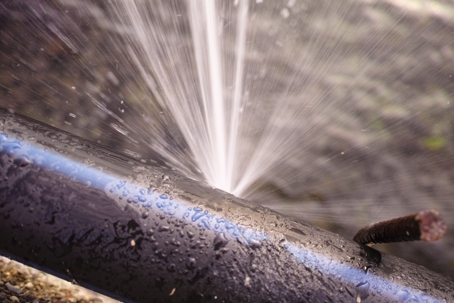
Due to wear and tear, traditional copper drains will form cracks within the piping that turns into leaks. Repairing these problems can be expensive and invasive because they are buried below the earth's surface. Sometimes, the pipes can be buried under layers of cement, tarmac, or brick, which means a lot of digging and displacement of soil will occur when fixing the issue. What if there was an easier way?
Luckily, a less invasive repair solution has recently developed that requires little to no digging. This method is called drain lining. In this blog, our drain lining experts will explain the non-invasive process of repairing damaged drains to help you decide: is drain lining worth it?
How Does Drain Lining Work?
As the name suggests, drain lining means the process includes a polymer lining that bonds to the inside of the pipe. An extra pipe is manually placed inside the existing, damaged pipe. The pipe inside will become narrower for the water to move through. However, this alternative method is preferable to digging up the drains and disrupting the surrounding earth.
What’s The Process?
Prior to drain lining, the extent of the damage within the pipes requires thorough investigation. The assessment process involves jet-washing to clean the pipes and remove clogs or debris. Next, a camera inspection is done with a small camera sent through the lines to assess how much lining will need to be used to fix the issue.
Once the professional plumbers have determined the problem, they will gently feed the liner through the drain. Once in place, a bag of air within the liner will be inflated, pushing the flexible liner to the walls of the previous pipe. The liner adheres to the preexisting pipe and hardens, creating a new pipe. The air balloon will then be deflated and removed to allow the camera to be reinserted to ensure the pipe is fully repaired.
Benefits of Drain Lining
- It avoids damage to the surrounding landscape caused by digging and heavy-duty equipment.
- More efficient and cost-effective.
- It prevents tree roots from accessing the pipes.
- It is more durable and reliable than replacing your pipes.
- It increases the flow capacity due to the smooth surface that prevents build-up within the pipes.
Serving All of Southwest Florida
With 30 years of experience, our experts at Aztec Plumbing & Drains have the tools, knowledge, and expertise to get the job done right the first time, every time. Give us a call at (239) 932-2959 or contact us online to schedule drain lining service and ensure your pipes are running smoothly!
Learn More in Our Drain Cleaning Series:

What Causes Drain Flies?
Did you know that a specific species of fly lives in and around your drains? It’s true! Drain flies, also known as moth flies or sink flies, are a type of fly that is attracted to and lives in dirty drains and pipes.
With a lifespan of about two weeks and a reproduction time of about 48 hours, drain flies can quickly turn from an annoyance to an infestation.
Here’s all you need to know about drain flies and steps you can take before having your drains cleaned professionally if you suspect they’ve taken over your home.
1. Home Openings
Since they are so small, they can often make it through doors, windows, and other openings around your home. They’re looking for standing water, similar to other flies and insects.
2. Your Drain Pipe
Their destination? Your drain pipe. The flies are attracted to the water and bacteria buildup and set up camp there. As long as standing water is available, they will be able to reproduce.
You may notice drain flies after being away for a while, or even after just a few days without using your sink—also watch out for flies regularly in drains that may not get a lot of use, like a guest room or basement. If you see some flying around your kitchen or bathroom, you should first check the drain pipe under your sink.
3. Trapped Sewage
Trapped waste that is part of a clog in your drain pipe is also what causes drain flies to infiltrate your home. They love sewage and will look to inhabit and reproduce inside your pipe. This is another reason why it’s crucial to deal with clogged drains immediately.
What Are Drain Flies?
There are many species of drain flies, and most of them measure less than 5 millimeters in length. If you can look at one up close, you’ll see that it’s covered in fur and kind of resembles a moth. That’s because they’re a part of the moth family.
How to Distinguish a Drain Fly
Drain flies look very similar to other types of gnats and can look like fruit flies from far away. But these creatures didn’t come in with your groceries.
Drain flies live off of whatever is in your drain. If it’s partially clogged or there is food stuck somewhere, they will look for that organic material to sustain themselves.
Drain flies are distinguishable by their fuzzy bodies, flat wings, and gray or tan color. Despite their lifestyle, they don’t pose an immediate threat to human health. They do, however, become a nuisance and can be particularly troubling in the kitchen, possibly contaminating your food with bacteria.
Drain flies multiply every 48 hours and can live for up to three weeks. With this in mind, a seemingly small issue can turn into a major infestation in a short period of time.
Treatment Options
It can be difficult to prevent drain flies completely, but you can reduce the chances of them being attracted to your drains by keeping them clean. This is as simple as refraining from putting clog-inducing items down the drain, like coffee grinds, rice, solid foods, hair, and more.
If a clog does occur, even just a partial one, don’t ignore it. The drain flies would love nothing more than to swoop in and live in your clogged drain, but you don’t have to let them!
As for treatment for an existing infestation, the University of Kentucky recommends going after the breeding sites, as these will continue to produce drain flies even after you’ve caught the ones flying around. These are often in your drain pipe and need to be cleared out. The slime along your pipes is what attracts them the most, so cleaning this would be the most effective solution.
You can try standard drain clearing methods like boiling water or baking soda and vinegar. It’s still not a good idea to use a chemical drain cleaner, and you should never put pesticides down your drain.
Comprehensive Drain Cleaning Solutions
Whether drain flies have taken over or you have a tough clog that needs fixing, the team at Aztec Plumbing & Drains can help! Contact our experienced and knowledgeable team today at (239) 932-2959 to get on your way to a clear drain.
Learn More in Our Drain Cleaning Series:
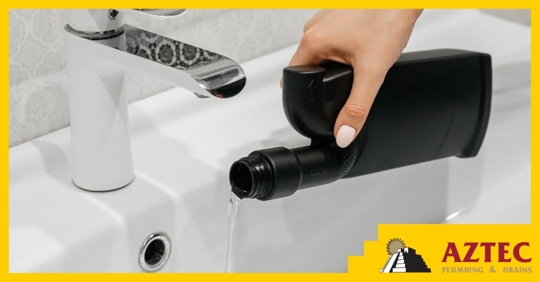
The Risks of a Slab Leak
A slab leak is a serious issue that can cause extensive damage to your home. Unlike other leaks, a slab leak is classified as a leak underneath the concrete foundation of your home.
We’re breaking down what a slab leak entails and why it can become such a problem for your home.
What is a Slab Leak?
A slab leak is when the pipes underneath your home foundation, or concrete slab, spring a leak. This can come from several different causes, usually corrosion, improper installation, or climate fluctuations.
You can look for a slab leak by noticing the signs around your home. You may hear running water or feel wet spots on your floors.
Foundation & Home Damage
Slab leaks can create significant water damage around one of the areas it’s most harmful: your home foundation. Water can damage the floors, walls, and other parts of your home. Since it’s not in plain view, it can be hard to detect until it’s already done damage, which is why knowing the signs is so important.
Wasted Water
Another issue with slab leaks is that you’ll be wasting a lot of water. The pipes underneath your foundation are usually water pipes, so a leak will require more water than typically needed to service your home.
Plus, if the leak is in a hot water pipe, your water heater will be using more energy and accumulating more wear and tear than normal.
Rising water bills is another sign of a slab leak (or a leak elsewhere in your house), so if you notice this, contact a plumber immediately to investigate.
Leak Detection & Solution Experts
For all leak detection needs, contact the experts at Aztec Plumbing & Drains today at (239) 932-2959. We use all tools at our disposal to find and fix leaks in order to minimize water damage and waste in your home.
Plumbing is complicated. We’re dealing with water, pressure, pipes, gravity and filtration. Even chemistry and minerals play a role. It’s a lot to wrap your head around which is why plumbers attend vocational schools, become certified, and pursue continuing education to stay current with the latest advancements.
That’s why we like to offer our expertise whenever possible. Here, we answer some interesting questions customers have posed to us recently. If you have a question you’d like answered in the next installment of Ask Aztec, reach out to us on Facebook @AztecPlumbing.
Why Do My Drains Back Up During a Rainstorm?
“Every time it rains, I brace for smelly sludge to come up my drains. What’s going on?”
-Nauseated in Naples
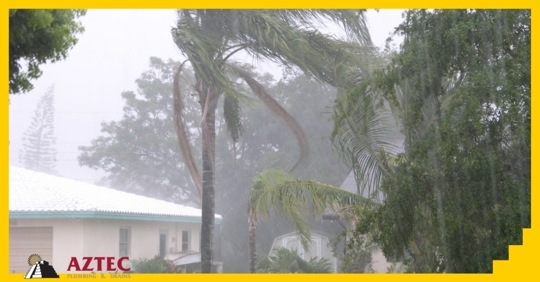
That’s not supposed to happen! As a rule, your drain is supposed to transport waste out. However, rainwater can overwhelm your drainpipe, forcing sewage back up. But wait...storm drains and sewer drains are different, right? Correct! Your sewer drain is acting as a storm drain because rainwater leaks through cracks or joints in the aged, corroded lateral line. When the sewer line has more water than it can transport, all that sludge comes back up through your sink and bath drains and even your toilet.
Consider having your sewer drain professionally inspected. We use video technology to detect issues deep within the drain. From there, we’ll work with you to come up with the best solution.
Should I Repipe Before Selling My Home?
“My husband and I plan on selling our home in Englewood but we recently learned that our plumbing is made of polybutylene piping, which tends to have a higher rate of failure. Is polybutylene going to be a deal-breaker?”
-Worried in Englewood
Throughout the ’70 and into the ’90s, polybutylene was the go-to piping material because it was cheaper and easier to manufacture than copper and galvanized steel. However, these pipes become prone to problems as they age -- or so a class-action lawsuit claimed. While a leading manufacturer of this product has staunchly refuted these claims, polybutylene piping gives many potential homebuyers pause.
Here’s the deal: any pipe material can fail. Just as copper and galvanized pipes will deteriorate over time, so too does polybutylene. So, does your home require a repipe? The answer depends on the condition of your plumbing. Consider hiring a licensed and experienced plumber to assess the health of your plumbing system. This is a good idea no matter whether your plumbing is made of PVC, PEX, copper, polybutylene or steel. If the plumber determines that your system is in good shape, that can help assuage any fears a homebuyer may have.
Why Does My Toilet Sweat?
“My porcelain toilet is dewy, especially during the summer when the condensation drips onto the floor. I’m new to Florida so I’m wondering if this is a unique phenomenon related to the humid climate.”
-Curious in Cape Coral
Sweating toilets are not necessarily unique to the Sunshine State, but our legendary humidity probably doesn’t help matters. Picture your toilet as a pitcher of ice tea (gross, but stick with us here.) The pitcher sweats because it’s cooler than the surrounding air, causing condensation to develop on the surface. It’s the same with your toilet. There’s enough of a temperature differential between your toilet tank and the air that causes it to get all dewy. Fortunately, there’s an easy solution for sweating toilets.
That does it for another edition of Ask Aztec! From sewage backups to sweating toilets, plumbing presents all sorts of fascinating issues. For all of your plumbing needs, turn to the Cape Coral plumbers at Aztec Plumbing & Drains. To schedule your appointment, call (239) 932-2959.
Learn More in Our Drain Cleaning Series: