Many homeowners dealing with mineral-heavy water eventually ask the same question: is a water softener worth it? Hard water can leave stubborn scale on fixtures, make soap harder to rinse, and drastically shorten the life of expensive appliances. Understanding the real water softener pros and cons helps homeowners decide if installing a system is the right move.
In Southwest Florida, the conversation often shifts quickly from convenience to home protection. Groundwater in the region typically contains high levels of calcium and magnesium, which create scale buildup in plumbing systems. Over time, that buildup can lead to hard water damage inside pipes and appliances.
Aztec Plumbing & Drains helps homeowners evaluate their exact water quality and determine if a treatment system will protect their plumbing and improve everyday water use. Our technicians take a diagnostic approach, providing clear answers and recommending solutions that are done right the first time. We will only offer professional water softener installation when testing confirms mineral levels that may damage your plumbing systems.
Is a Water Softener Necessary in Southwest Florida?
In some areas of the country, water softeners are considered optional upgrades. In Southwest Florida, our mineral-heavy groundwater often makes them a practical necessity to protect your home's infrastructure.
Hard water minerals leave deposits known as limescale. These deposits collect inside pipes, water heaters, and appliances. As scale builds up, equipment becomes less efficient, drives up your energy bills, and may fail years sooner than expected. Many homeowners install a system primarily to extend their water heater lifespan and reduce corrosive scale inside plumbing.
The Pros: Why Local Homeowners Choose Soft Water
Soft water can noticeably improve several aspects of daily life inside the home.
Extend Appliance Lifespan
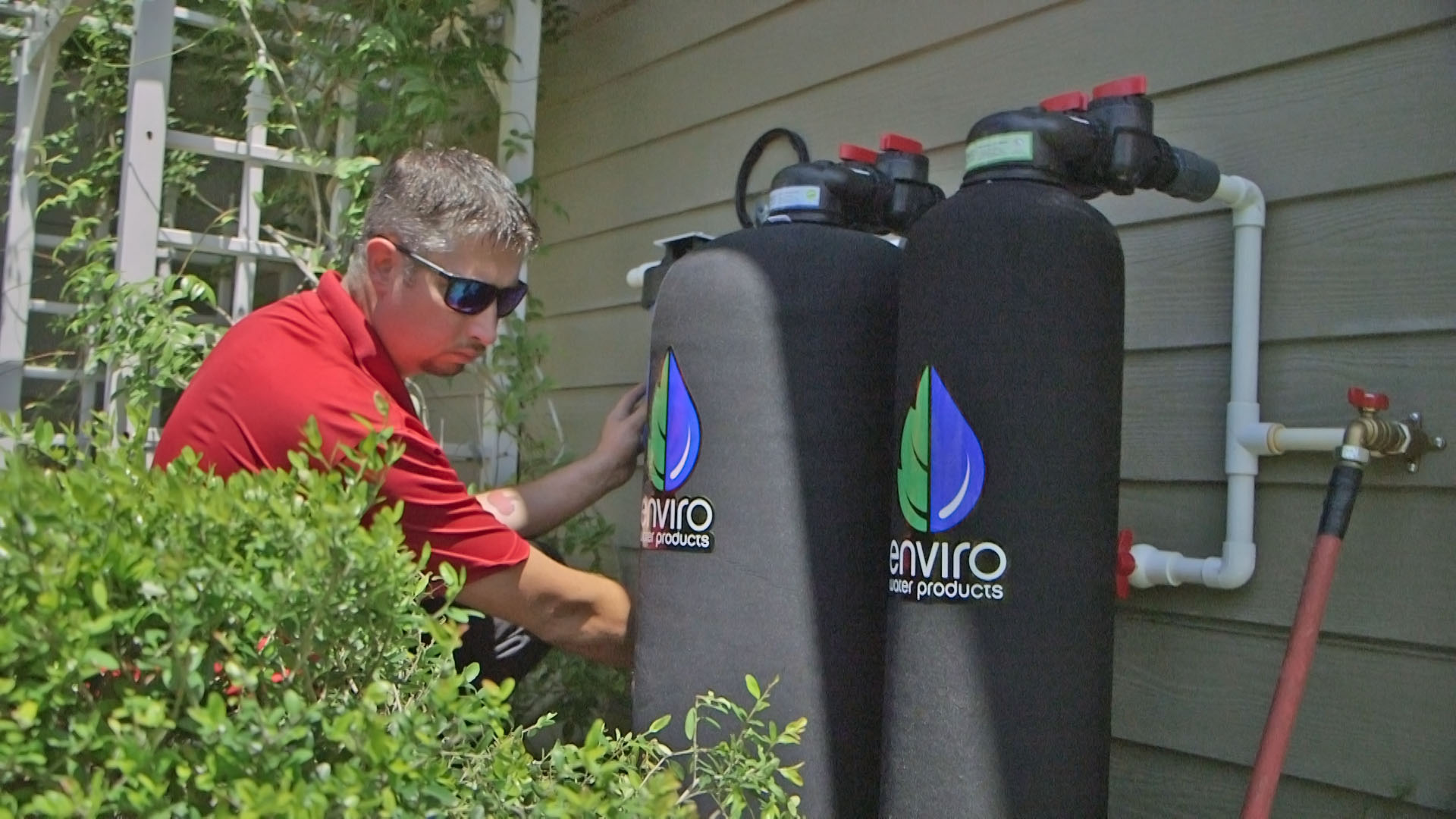
Water softeners remove calcium and magnesium through a process called ion exchange. Inside the tank, resin beads capture mineral ions and replace them with sodium or potassium chloride. This helps prevent scale buildup and protects major appliances like dishwashers and washing machines from premature damage.
Reducing scale buildup also helps protect your new pipes by preventing mineral deposits from forming inside plumbing lines.
Healthier Skin and Hair
Hard water often leaves soap residue on skin and hair. This residue forms when minerals react with soap to create stubborn soap scum.
Soft water rinses away more cleanly, leaving fewer deposits behind. Many homeowners notice softer hair and relief from dry, itchy skin after bathing, which is why the benefits of soft water for skin are often highly valued when discussing softeners.
One common surprise is the “slippery” water feel. This sensation happens because soft water rinses soap away fully instead of leaving mineral residue on your skin.
Easier Cleaning
Hard water leaves visible white spots on faucets, dishes, and shower doors. Removing the minerals responsible for those deposits makes routine cleaning significantly easier.
These soft water benefits often mean using less soap and fewer cleaning products throughout the home.
The Cons: What to Consider Before Buying
Understanding the disadvantages of water softeners helps homeowners make a balanced, informed decision.
Upfront Cost
The water softener installation cost varies depending on system size and installation requirements. For many households, the upfront expense is the biggest concern. However, it is important to weigh this against the cost of repairing or replacing appliances affected by hard water damage, which can quickly exceed the cost of installing a treatment system.
Maintenance
Softening systems require regular maintenance. Salt-based systems need periodic salt refills and occasional inspections.
Water softener maintenance cost usually includes purchasing and adding salt to the brine tank and checking system components to ensure peak efficiency.
Salt-Based vs. Salt-Free Water Softener
Another factor to consider is the difference between salt-based vs. salt-free water softener systems.
Salt-based systems remove minerals completely through ion exchange. Salt-free systems (often called conditioners) condition water so minerals are less likely to stick to surfaces, but they do not remove them entirely. Homes with significant mineral buildup often benefit more from salt-based systems.
The Hidden Cost of Waiting
Some homeowners delay installing a softener because they want to avoid the initial investment. Unfortunately, hard water problems continue to worsen over time silently behind your walls.
Scale buildup can damage appliances, reduce plumbing efficiency, and increase energy use. Repairing scale-damaged plumbing can cost far more than installing a softener early. Aztec Plumbing & Drains helps homeowners test their water and determine the right solution. Instead of guessing, our technicians explain the options clearly and recommend systems that match the home’s exact needs.
For homeowners planning system upgrades, flexible financing options are available to help make water treatment systems easier to install on your budget.
Find the Right System for Your Home with Aztec Plumbing & Drains
Choosing a water treatment system should always start with accurate water testing. Aztec Plumbing & Drains helps homeowners understand their water conditions and select a system that protects plumbing and appliances for the long haul.
Still have questions? Schedule a free water test and consultation today.
Schedule Online (239) 306-8696